
Wizards of the Coast Faces Scrutiny Over ‘Witch Hunt’ Question in Post-Mortem Survey for Controversial Magic: The Gathering Spider-Man Set







Popular Now
 Brawl Stars
 Free Fire
 EA SPORT FC 25
 Poppy Playtime
 Counter-Strike 2
 God of War Ragnarök
 Schedule I
 Toca Boca World
Among Us
Garena Free Fire: Kalahari
Toca Boca World
Among Us
Garena Free Fire: Kalahari 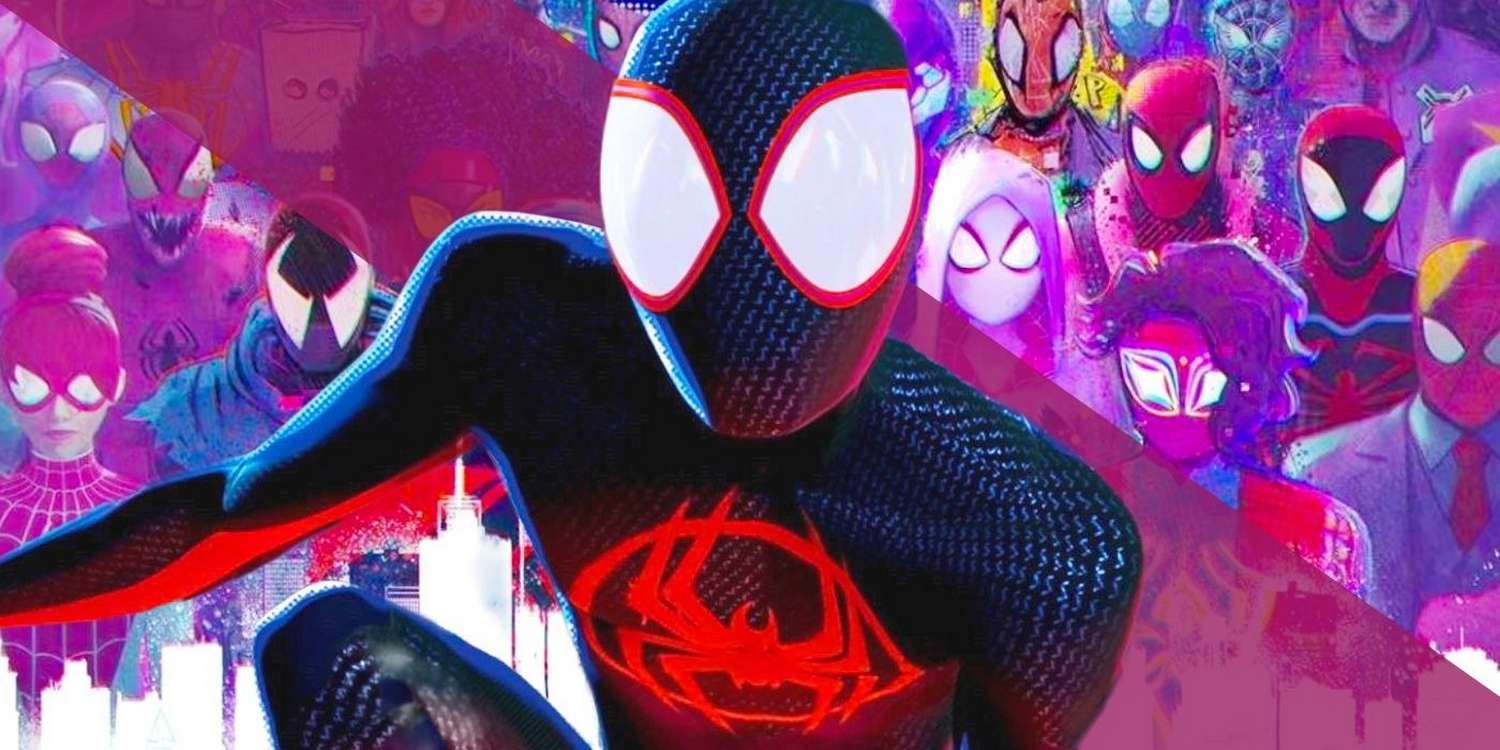
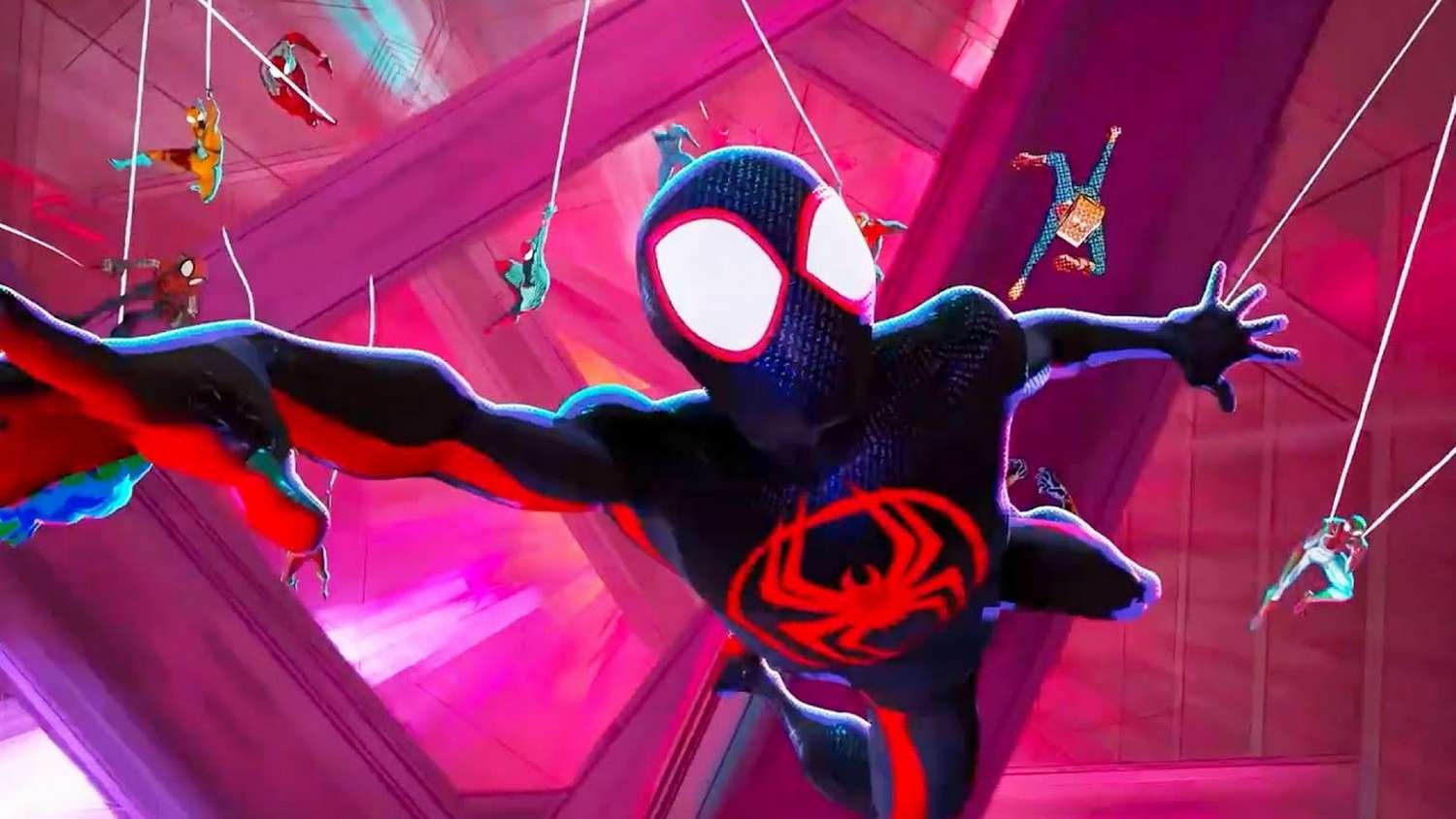
The Gathering (MTG) Universes Beyond set, featuring Marvel’s iconic webslinger, Spider-Man, has been fraught with controversy. Now, a post-release survey from publisher Wizards of the Coast (WotC) has ignited a fresh wave of community backlash, as a specific question appears to pin the blame for the set’s lukewarm reception on content creators. This development has sparked a heated debate about publisher accountability and the critical role of MTG content creators and game influencers in shaping public opinion for high-stakes trading card game releases.
The Magic: The Gathering | Marvel’s Spider-Man set has struggled to find its footing since its launch. Player sentiment has been overwhelmingly negative, citing a range of issues from the set’s mundane “grounded” New York City flavor and the perception of underpowered, repetitive cards to a general fatigue with the rapid-fire release schedule of Universes Beyond products. Compared to the blockbuster success of previous crossovers like The Lord of the Rings: Tales of Middle-earth, the Spider-Man offering has become a cautionary tale for the line, with reports of low limited format attendance and a noticeable crash in the market price of Collector Boosters.
The Controversial Query: Shifting the Blame?
 As is standard practice, WotC distributed a comprehensive survey to gather player feedback on the new set. While most of the questions followed typical market research formats—inquiring about overall satisfaction, card design, and product value—one particular branching question has drawn significant criticism. If a respondent indicated that they received news or commentary about the Spider-Man set from MTG influencers, they were then presented with a follow-up:
- “To what degree did negative influencer commentary impact your perceptions of Magic: The Gathering | Marvel’s Spider-Man before the set released?”
The question allows players to rank the influence of negative creator commentary on a scale. To many, this was less an attempt at data collection and more a thinly veiled attempt to identify a scapegoat for the set’s commercial and critical failure. High-profile figures in the MTG community, including Hall of Fame inductee Luis Scott-Vargas (LSV), publicly voiced their astonishment, with some labeling the inquiry a “witch hunt.” The insinuation, as critics perceive it, is that WotC is considering that the primary problem wasn’t the product quality itself, but rather the negative reporting by the people who review new MTG sets for a living.
A Crisis of Confidence in Universes Beyond
The timing of this backlash is particularly precarious for the Universes Beyond sub-brand. While immensely profitable for parent company Hasbro, the line has always courted controversy among a segment of the MTG faithful who prefer the game to remain strictly within its established fantasy lore. The Spider-Man set, with its focus on modern, real-world elements like “Hot Dog Carts” and “Subway Trains” printed on Magic cards, arguably pushed the boundary of tonal acceptance further than previous crossovers.
The community’s response to the survey suggests a growing fracture in the relationship between the publisher and its audience, particularly the critical voices that drive discussion and engagement. Players who feel the set was genuinely poorly executed are taking offense at the implication that their negative opinion was merely a parroted sentiment from a content creator. This leads to a critical discussion point: Who holds the most financial power in TCG reviews? Is it the publisher who designs the product, or the independent critic whose honest review can sway thousands of MTG investment and purchasing decisions?
WotC’s Response and The Catch
In the wake of the uproar, reports indicate that Wizards of the Coast acknowledged the community’s concern, with some sources suggesting they recognized the problematic framing of the question. However, the initial blunder has already contributed to a broader narrative of WotC—and by extension, Hasbro—being disconnected from its player base. The “catch” in the situation is that while the publisher may have received the feedback, the underlying issue of the set’s poor performance remains an open wound, and the attempt to subtly deflect responsibility has only amplified the negative sentiment.
For any video game review blog or game news site covering the TCG market, this incident is a prime example of the delicate balance between corporate strategy and community goodwill. The most valuable MTG cards are often those from sets that are critically acclaimed and widely embraced. A product perceived as a flop, regardless of external commentary, carries a significant cost both in terms of direct sales and long-term brand equity.
 Forward Look for Universes Beyond and Future MTG Releases
 Forward Look for Universes Beyond and Future MTG Releases
Despite the Spider-Man stumble, the Universes Beyond pipeline is aggressively scheduled, with confirmed releases for major properties like Star Trek, Teenage Mutant Ninja Turtles, and several PlayStation titles on the horizon. The core question for WotC moving forward will be how they integrate the feedback from the Spider-Man failure, particularly concerning flavor, power level, and the crucial Limited format experience. The company must decide whether the survey’s data—which now includes the backlash against the survey itself—points towards a need for stricter thematic vetting or simply a more robust and honest pre-release marketing strategy.
For players and investors, the lesson is clear: a strong IP is no substitute for a well-designed and critically accepted card set. The backlash serves as a high-CPC reminder that the MTG community is highly sensitive to what they perceive as cynical commercialism. All eyes are now on the next few MTG set spoilers to gauge whether WotC has truly learned from the Spider-Man experience or if the best trading card game on the market will continue to navigate choppy waters.