
Sony Escalates Legal Battle Against Tencent Over ‘Horizon’ Clone: Preliminary Injunction Sought





Popular Now
 Free Fire
 Toca Boca World
 Minecraft
 God of War Ragnarök
 Roblox
 BeamNG.drive
 The Legend of Zelda
 Brawl Stars
 Grand Theft Auto V
 Fall Guys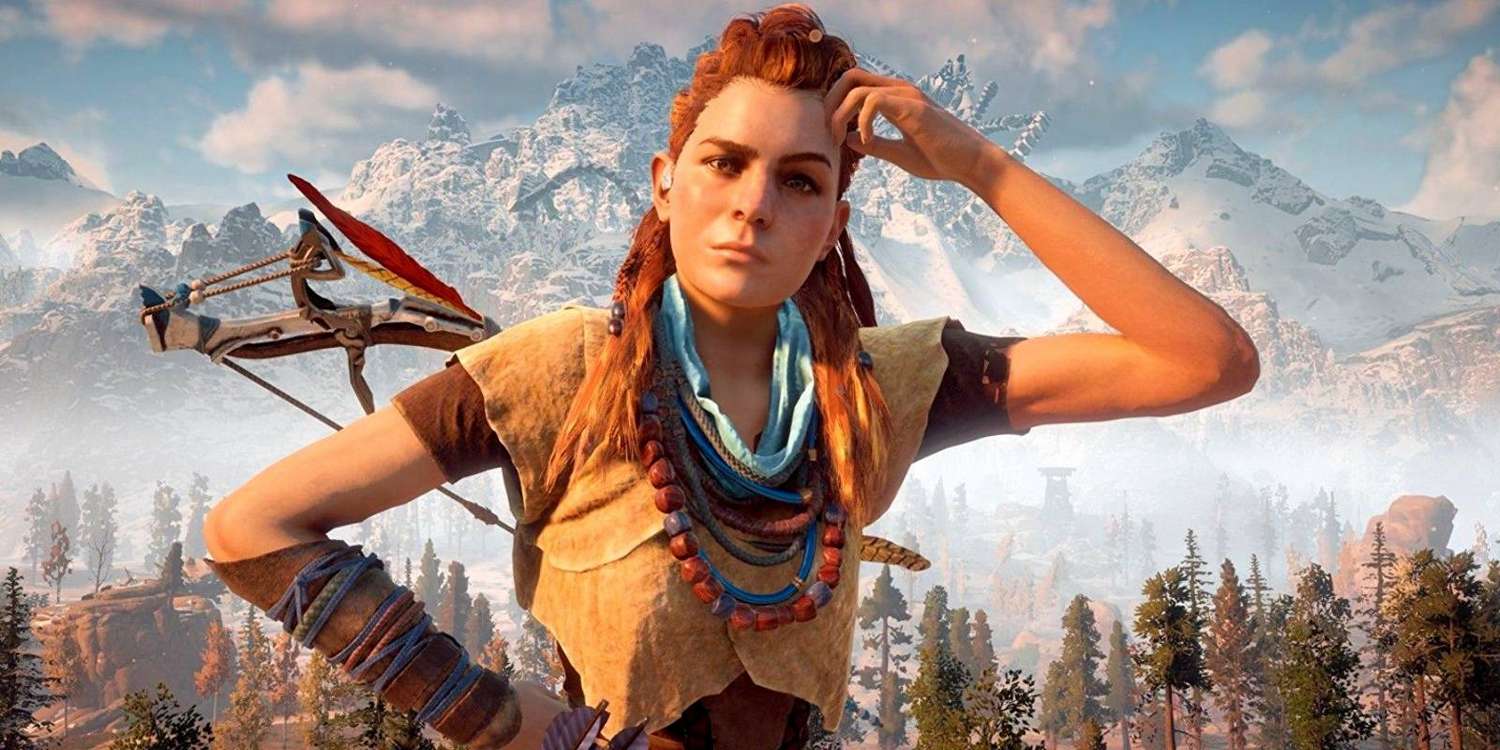
In a significant development in the high-profile intellectual property dispute that has gripped the video game industry, Sony Interactive Entertainment (SIE) has filed a motion for a preliminary injunction against Chinese tech giant Tencent Holdings. The action aims to halt any further promotion, development, or release of Tencent’s upcoming open-world survival game, Light of Motiram, which SIE asserts is a “slavish clone” and “knock-off” of its highly lucrative Horizon Zero Dawn and Horizon Forbidden West franchise. This aggressive legal maneuver underscores the escalating tensions between two of the world’s most dominant gaming market players, protecting their high-value intellectual property in a globally competitive landscape.
The Allegations: A Copycat Controversy Grips the Gaming World
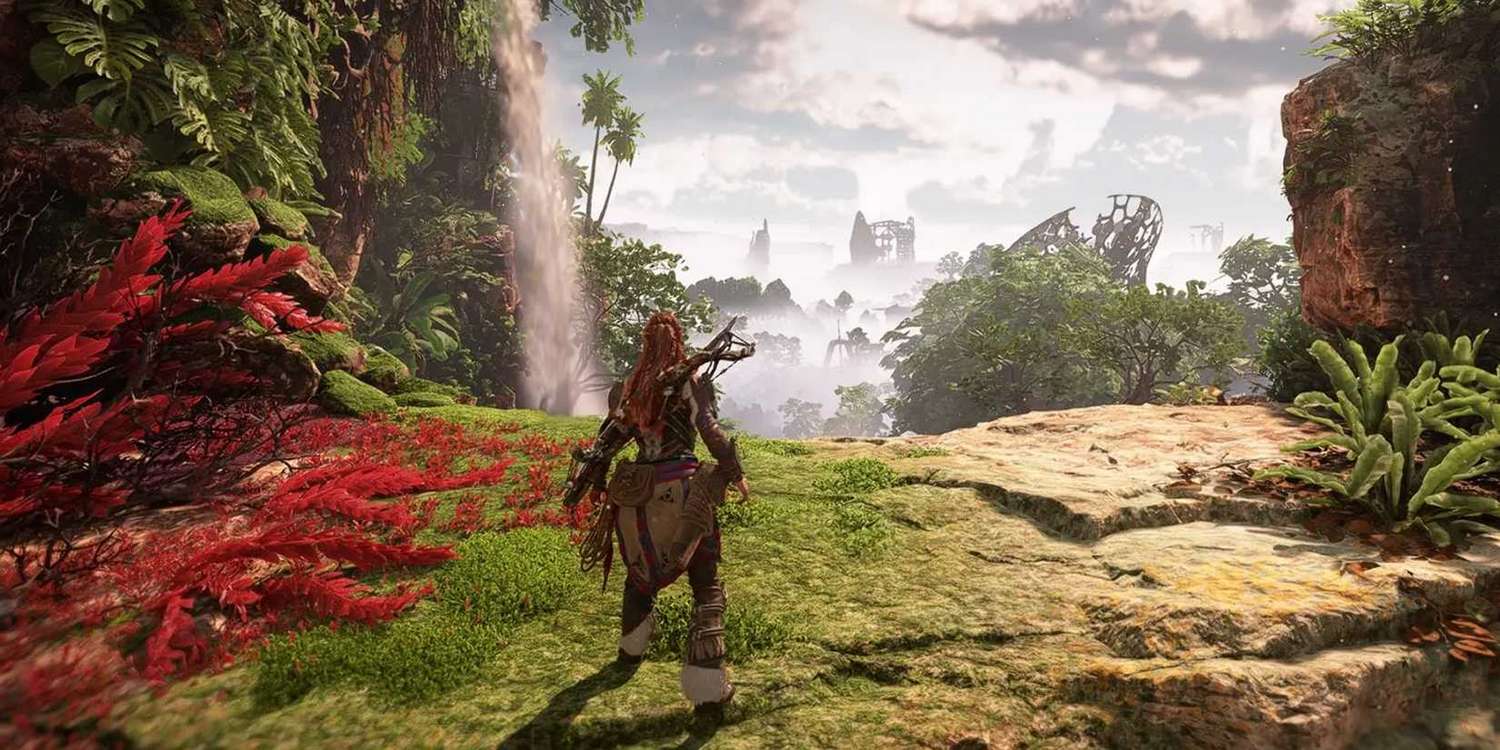
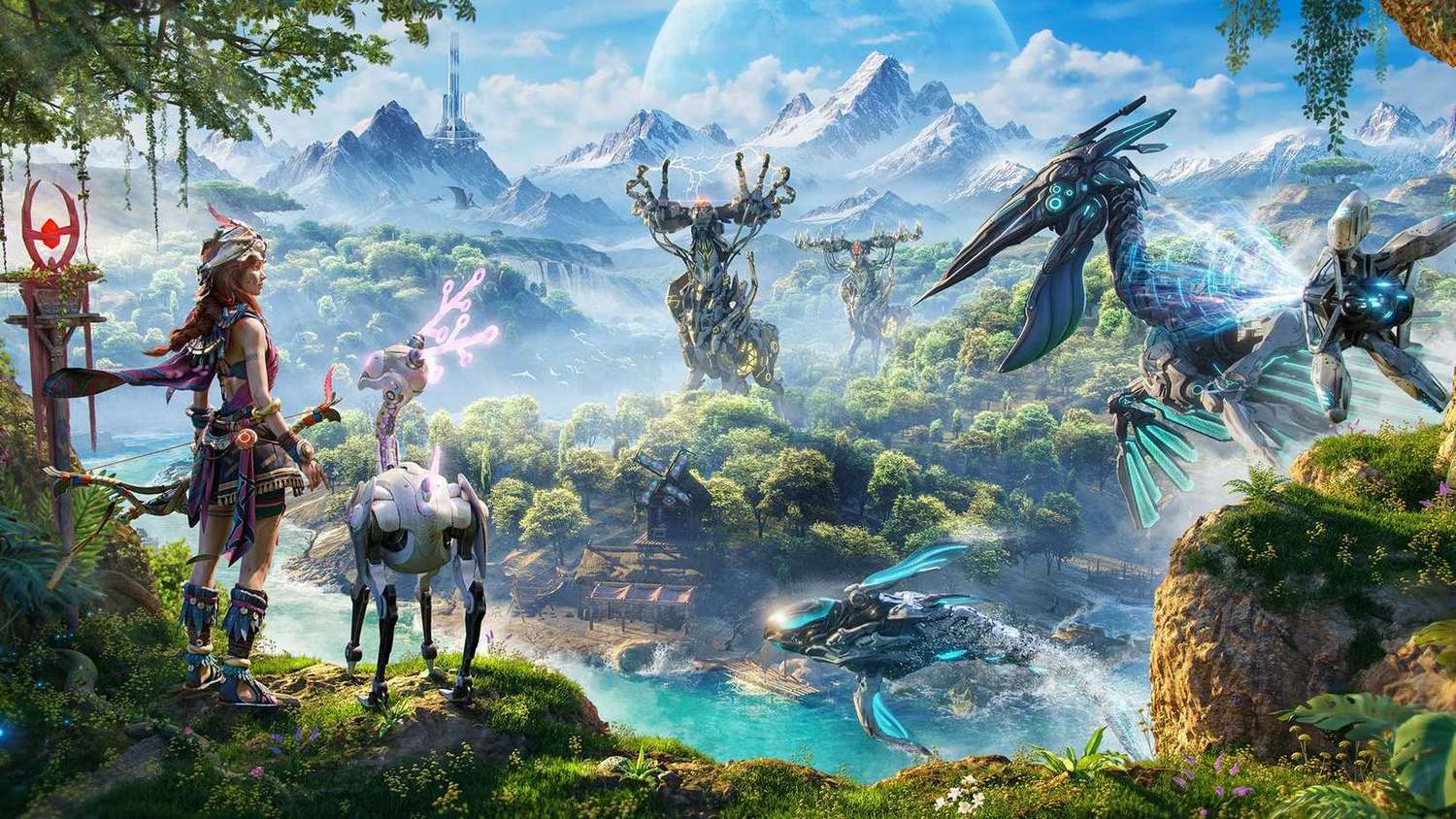
The core of SIE’s July 2025 copyright and trademark infringement lawsuit, filed in the U.S. District Court for the Northern District of California, centers on what it claims is the egregious and pervasive copying of protected elements from the Horizon games. The game, developed by Tencent subsidiary Polaris Quest, allegedly mimics Horizon’s distinctive post-apocalyptic setting, featuring tribal-clad humans battling mechanical animal foes, an aesthetic pioneered by Guerrilla Games, a Sony-owned studio.
 SIE’s preliminary injunction request, filed on October 15, 2025, specifically seeks to bar Tencent from using key infringing material, including:
- A red-haired tribal huntress character that, according to SIE, is strikingly similar to the Aloy Character Mark, the instantly recognizable protagonist of the Horizon series.
- Visual and storyline elements, including the look of the robotic creatures and the desolate yet beautiful natural world.
- A specific melody used in Light of Motiram’s promotional material, which SIE claims is too close to compositions from the Horizon Zero Dawn original soundtrack.
Sony’s legal team has leveraged extensive evidence, including widespread consumer confusion and numerous media reports that have unanimously characterized Light of Motiram as a clear copycat since its initial reveal in November 2024. “The copying was so egregious that numerous journalists and Horizon fans called Light of Motiram ‘a major Horizon rip off,’ ‘an obvious knock off,’ a ‘copycat’ with a main character that ‘resembles Aloy to a tee,’ and ‘extremely similar to Horizon Zero Dawn’,” SIE stated in its filing. (Source: Multiple Games Industry News Outlets).
Tencent Fires Back: ‘Monopoly on Genre Trope’ Claim
Tencent, in its motion to dismiss the original lawsuit, dismissed Sony’s arguments as “nonsense,” claiming that Light of Motiram merely utilizes “time-honored tropes” common to the open-world and survival genres. The Chinese conglomerate argued that SIE is attempting to enforce an “impermissible monopoly on genre conventions,” pointing to other games like The Legend of Zelda: Breath of the Wild and Enslaved: Odyssey to the West as having similar thematic elements.
Adding to the dramatic nature of the case, court filings have revealed that Tencent previously approached Sony in 2024 seeking a collaboration or license for a Horizon mobile game, which was declined. SIE suggests that Light of Motiram’s subsequent announcement, and its stark similarities, demonstrate a deliberate intent to capitalize on the Horizon franchise’s established success and global market reach.
 The Irreparable Harm Argument: Sony’s Urgency
 The Irreparable Harm Argument: Sony’s Urgency
The filing of a preliminary injunction is a critical legal step, requiring the party seeking it—in this case, Sony—to demonstrate a high likelihood of success on the merits and, crucially, that they will suffer irreparable harm if the opposing party is not immediately restrained. Sony argues that the damage to the brand’s goodwill, consumer confusion, and loss of control over its core intellectual property are already occurring and will be compounded by further promotion.
Tencent’s defense against the injunction hinges on the fact that Light of Motiram has been quietly delayed to a Q4 2027 release date, arguing that the distance from launch negates any claim of “immediate threatened injury.” Sony, however, countered this delay, calling it a “shell game” intended to avoid liability, stating, “The damage is done—and it continues.” SIE emphasizes that the very existence and promotion of an alleged knock-off jeopardize the continued expansion of the Horizon franchise, including its major upcoming film adaptation that is now moving into production with shooting scheduled for 2026.
Looking Ahead: High Stakes in the Gaming Industry
The hearing for the preliminary injunction is currently scheduled for November 20, 2025. Should the court grant Sony’s request, Tencent would be immediately barred from using the contested elements, effectively forcing a massive, costly game redesign and a complete overhaul of all promotional materials. This outcome would set a potent precedent in favor of established IP holders, particularly concerning the protection of distinctive character designs and core aesthetics in the realm of AAA video game development.
Regardless of the final verdict on the overall copyright case, the decision on the preliminary injunction will send a powerful message about the legal boundaries of “inspiration” versus “slavish copying” in the global video game market. The outcome is being closely watched by developers and publishers worldwide, as it could reshape how new game concepts are developed, marketed, and protected against imitation.