
Heroes of Might and Magic: The Unyielding Call for a Return to Classic Strategy Glory










Popular Now
 EA SPORT FC 25
 NBA 2K24
 Free Fire
 Rust
Rust
 BeamNG.drive
 CarX Street
Stumble Guys
CarX Street
Stumble Guys
 Gacha Club
 Candy Crush Saga
 Counter-Strike 2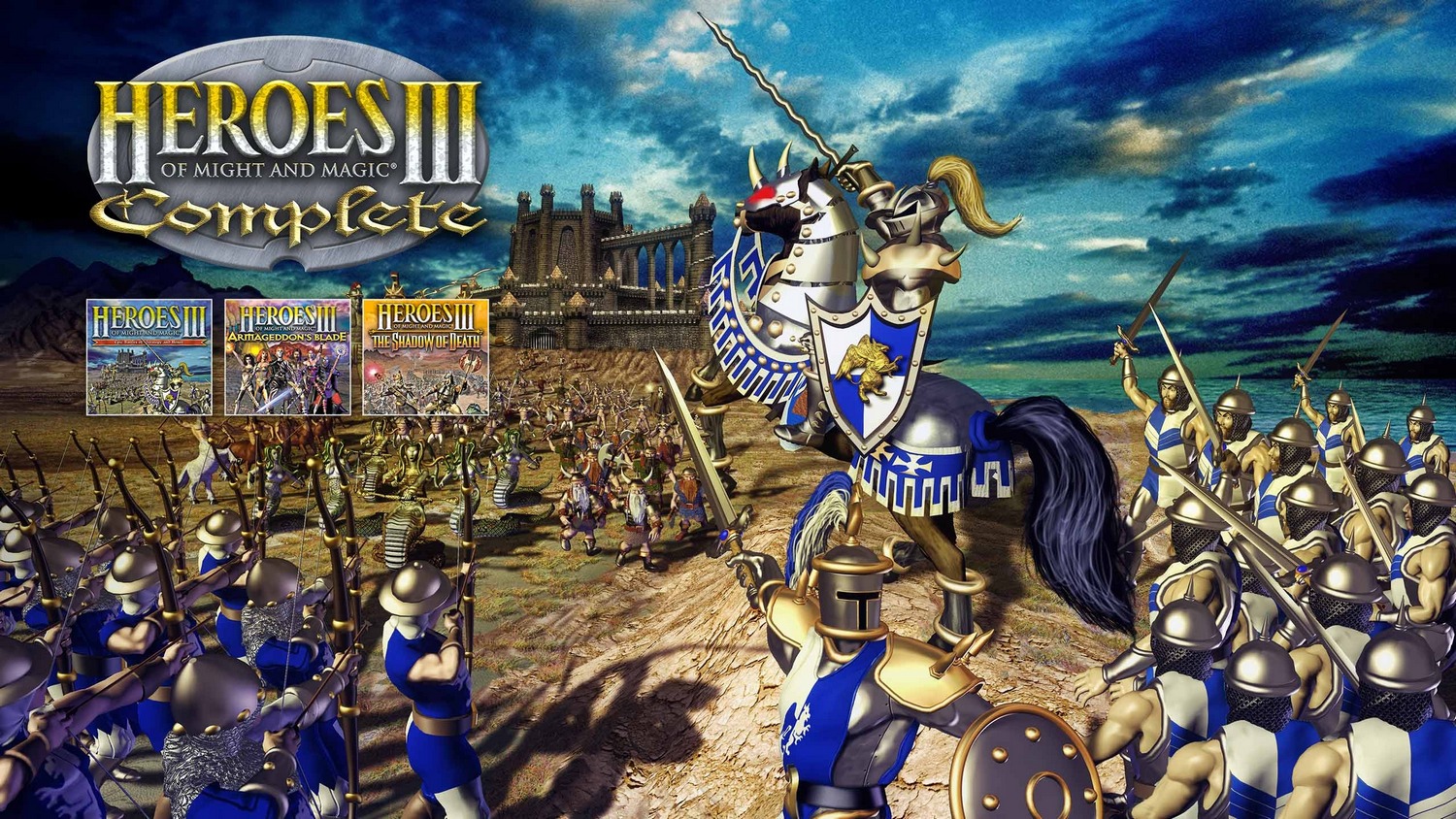
In an era dominated by sprawling open worlds and real-time action, a persistent whisper echoes through the halls of gaming history: the fervent desire for the return of a true turn-based strategy titan. Heroes of Might and Magic, a name synonymous with meticulous planning, epic fantasy battles, and deep resource management, is experiencing a remarkable resurgence in conversation and community activity, fueling the hope that its ‘pipe-and-slippers glory’ is indeed back, or at least powerfully knocking on the industry’s door.
For veterans of PC gaming, the Heroes of Might and Magic series, particularly its third and fourth installments, represents a golden age of strategic gameplay. It was a time when intricate systems, compelling lore, and challenging AI converged to create experiences that demanded hours of dedicated thought and yielded immense satisfaction. The ‘pipe-and-slippers glory’ refers not just to nostalgia, but to a specific design philosophy: turn-based mechanics that encourage careful deliberation over quick reflexes, strategic depth over flashy visuals, and a sense of gradual, earned progression that modern titles often struggle to replicate. This isn’t just about revisiting old games; it’s about advocating for the enduring relevance of a particular genre and style.
The Enduring Appeal of Strategic Depth and Fantasy Worlds
What precisely defines this ‘glory’ that fans are clamoring to see revived? It’s a complex tapestry woven from several core elements:
- Strategic Overworld Exploration: Players navigate a vast, tile-based map, uncovering treasures, battling neutral creatures, and capturing resource-generating structures. This blend of exploration and economic management is crucial. Every turn presents decisions: expand your territory, gather resources, or fortify your towns?
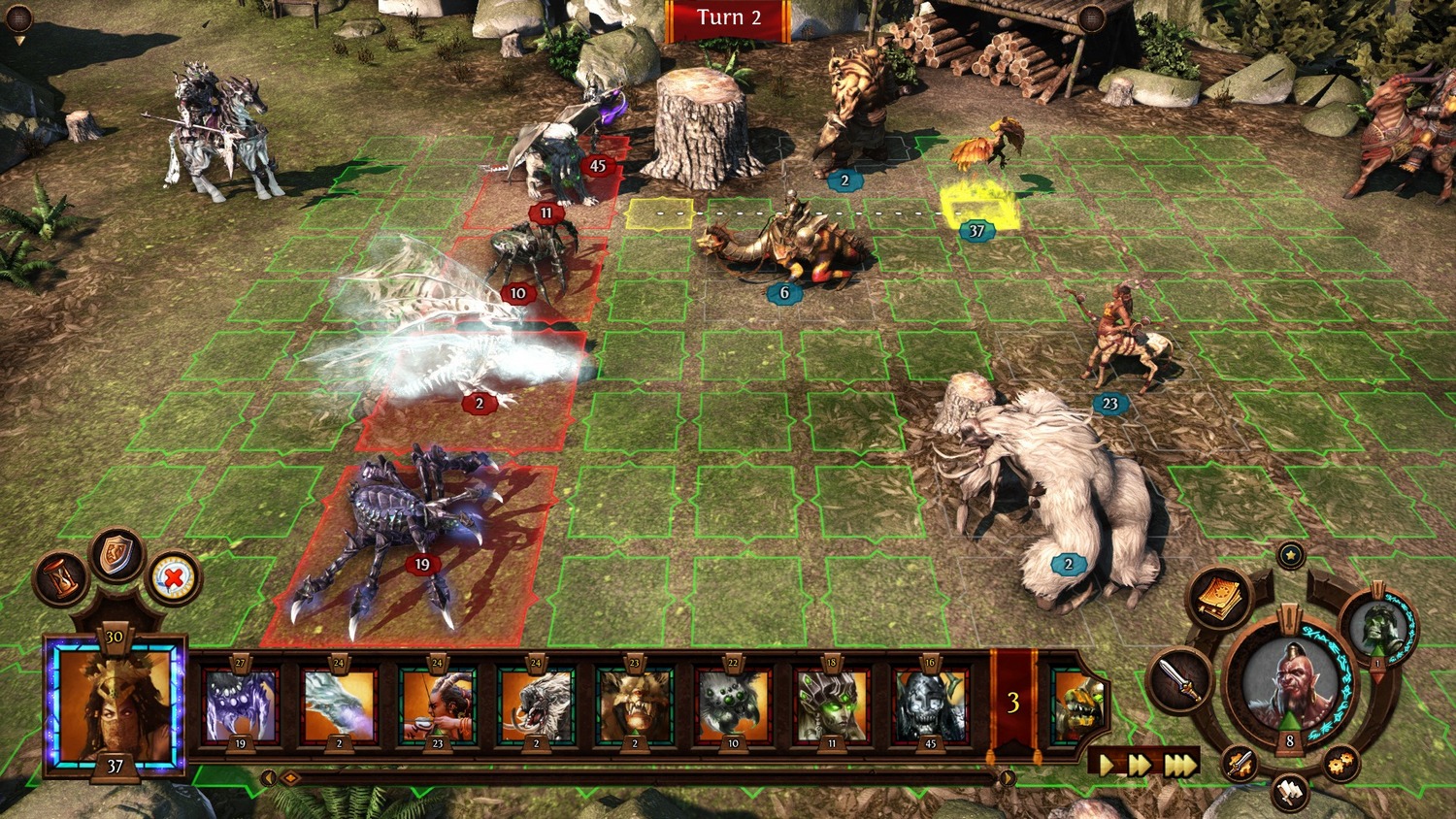
- Tactical Turn-Based Combat: The series’ signature combat system, where armies of diverse units clash on a grid, remains a benchmark. Understanding unit strengths, weaknesses, special abilities, and battlefield terrain is paramount. These battles are puzzles that reward foresight and intelligent positioning, offering a refreshing contrast to real-time micro-management.
- Deep Hero Progression: Heroes are the heart of your armies, leveling up, learning new spells, and acquiring powerful artifacts. Customizing their skills and specializations to complement your playstyle or faction is a deeply rewarding RPG element.
- Robust City Building and Resource Management: Developing your towns from humble beginnings into bustling bastions of power is a core loop. Managing gold, wood, ore, mercury, sulfur, crystals, and gems to construct new buildings, recruit powerful units, and research advanced spells adds a critical layer of economic strategy.
- Diverse Factions and Lore: From Knights and Barbarians to Necromancers and Dungeon Lords, each faction offers a distinct playstyle, unique units, and a rich backdrop of lore that enhances immersion and replayability.
These components collectively create a gameplay loop that is incredibly addictive and offers immense replay value. The satisfaction of executing a perfectly planned conquest, overcoming a numerically superior foe through clever tactics, or developing an unstoppable hero remains unparalleled.
Why the Call for a Comeback Now?
The renewed interest in Heroes of Might and Magic isn’t merely a wave of nostalgia; it’s also a reaction to current market trends. While the gaming industry thrives on innovation, there’s a perceived void in the realm of high-quality, deep, turn-based fantasy strategy games that truly capture the essence of what HoMM perfected. Many modern strategy titles lean into real-time elements, simplified mechanics, or focus heavily on multiplayer competitive scenes, sometimes alienating players who crave a more thoughtful, single-player or cooperative campaign experience.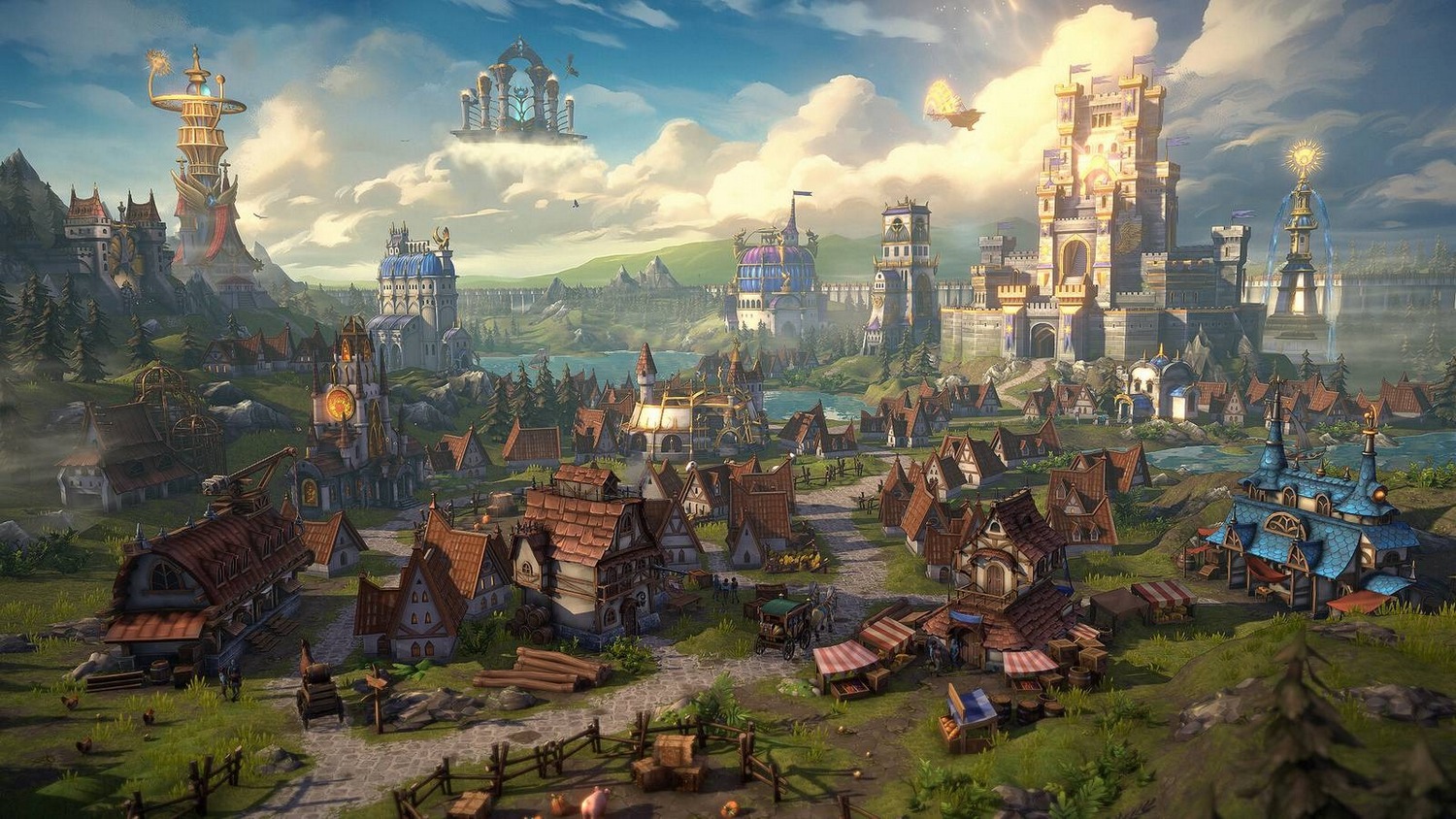
Furthermore, the success of indie titles that pay homage to classic genres demonstrates a strong market for such experiences. Players are increasingly willing to invest in games that offer depth, replayability, and genuine strategic challenge, even if they don’t boast cutting-edge graphics. This makes the prospect of a HoMM revival, or a true spiritual successor, an incredibly attractive and potentially profitable venture for developers.
The community itself has kept the flame alive through extensive modding, fan-made expansions, and vibrant online discussions surrounding older titles like Heroes of Might and Magic III: Horn of the Abyss, which continues to receive updates and balance patches. This dedicated player base serves as clear evidence that the demand for the HoMM formula is not just present but actively sustained.
The Road Ahead: What a True Return Entails
For Heroes of Might and Magic to truly come ‘back in all its pipe-and-slippers glory,’ it would require a delicate balance of reverence for its past and intelligent modernization. Developers would need to:
- Preserve Core Mechanics: The turn-based combat, strategic map, and resource management are non-negotiable foundations. Any departure would risk alienating the core fanbase.
- Enhance Quality of Life: Modern interfaces, improved AI, faster load times, and clearer tooltips could significantly enhance the player experience without compromising depth.
- Introduce Meaningful Innovation: While respecting tradition, there’s room for new factions, creative unit abilities, dynamic map events, or even refined diplomacy systems that add to, rather than detract from, the core strategic loop.
- Focus on Campaign and Scenario Design: Compelling narratives and well-crafted scenarios that offer varied challenges are crucial for long-term engagement.
- Robust Multiplayer Options: While a strong single-player experience is key, a stable and engaging multiplayer component, perhaps with asynchronous turns or robust hot-seat functionality, would broaden its appeal.
- High-CPC Keywords Integration: Thoughtful integration of modern monetization strategies that respect the player base, such as well-executed expansions rather than aggressive microtransactions, could secure its financial viability.
 The resurgence of interest in Heroes of Might and Magic represents more than just nostalgia; it’s a testament to the timeless appeal of well-designed strategic gameplay. It’s a powerful signal to the gaming industry that there’s a significant, dedicated audience yearning for deep, thoughtful, and engaging experiences that prioritize strategic mastery over fleeting trends. Whether through a new official installment or a spiritual successor that genuinely understands its roots, the hope for a return to its ‘pipe-and-slippers glory’ burns brighter than ever, promising a rich strategic future for fans of classic PC games. The profitable niche of turn-based strategy gaming is ripe for a true champion to emerge once again.