
Sword of Convallaria Unveils Monumental Witcher III Collaboration: A Deep Dive into Tactical RPG’s Next Big Bet






Popular Now
 Grand Theft Auto V
 Toca Boca World
 Candy Crush Saga
 The Legend of Zelda
 Schedule I
 Valorant
 CarX Street
 Minecraft
 Geometry Dash
 God of War Ragnarök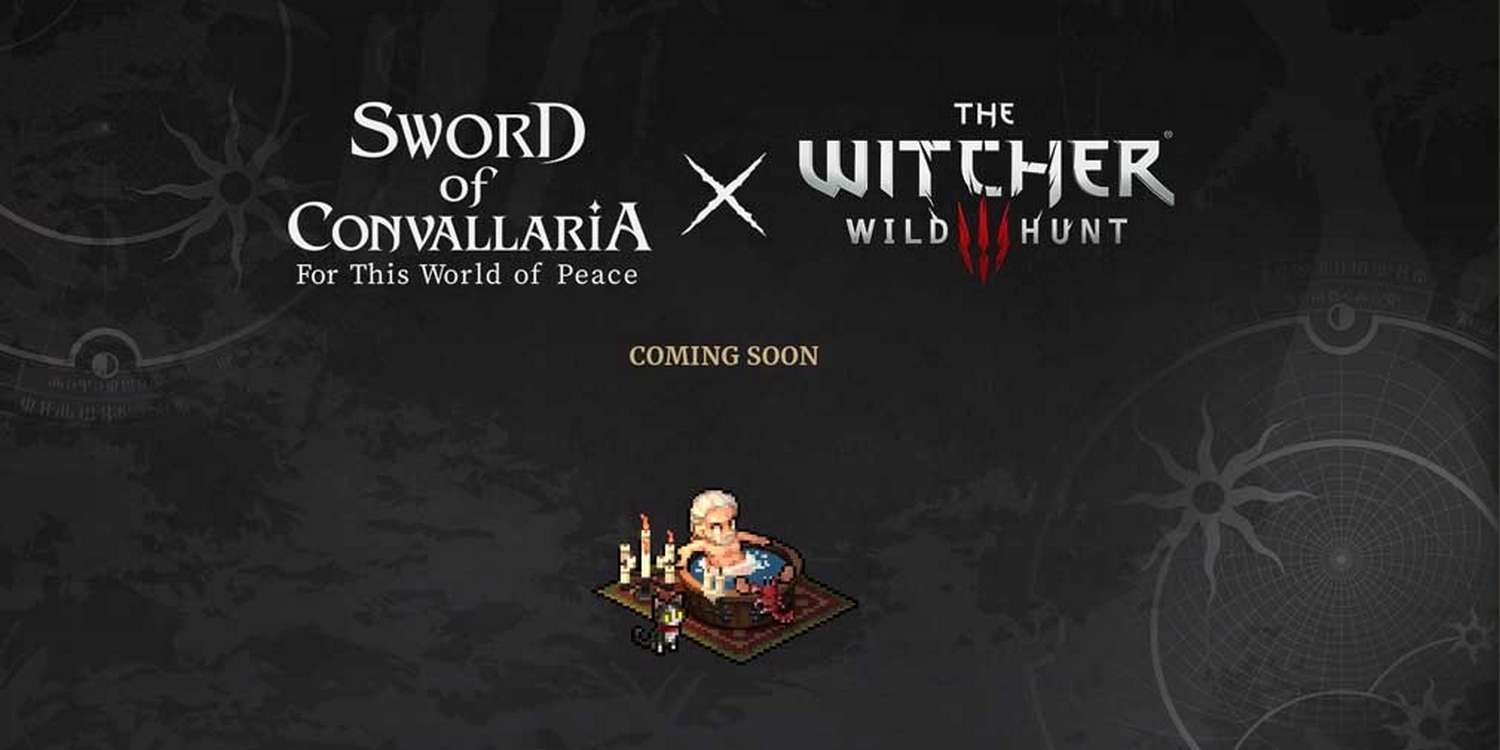
The Witcher’s Shadow Falls Upon Convallaria: A Strategic Masterstroke or a Risky Gambit?
In a move poised to send ripples across the competitive mobile gaming landscape, XD Inc.’s highly anticipated tactical RPG, Sword of Convallaria, has officially teased an upcoming collaboration with the legendary The Witcher III: Wild Hunt. A newly released trailer provides a tantalizing glimpse into what promises to be one of the most significant crossover events in recent memory, blending the intricate strategic combat of Convallaria with the grim, compelling fantasy of Geralt of Rivia. This announcement is not merely a piece of gaming news; it’s a strategic declaration, signaling Convallaria’s ambition to carve out a dominant niche within the RPG genre and attract a global audience accustomed to premium, console-quality experiences. For avid fans and prospective players, the central question revolves around the depth of this integration and how it will elevate the core gameplay loop and long-term appeal of Sword of Convallaria.
The revelation comes at a crucial juncture for live service games, where unique content and compelling partnerships are paramount for player acquisition and retention. The decision by XD Inc. to align with a monumental franchise like CD Projekt Red’s The Witcher III speaks volumes about their confidence in Sword of Convallaria’s underlying mechanics and their vision for its future. This article delves into the potential ramifications of this alliance, dissecting the implications for gameplay, narrative integration, and the overall player value proposition, analyzing it from the perspective of a critical game review.
Unpacking the Announcement: A Trailer Tease That Ignited the Gaming World
The recently launched trailer, while brief, was impactful, immediately confirming the highly speculated partnership. It showcased elements that hinted at the profound integration of The Witcher’s universe into Convallaria’s tactical framework. Viewers caught glimpses of familiar iconography, suggesting that key characters like Geralt of Rivia, and potentially others such as Ciri or Yennefer, could soon join the ranks of Convallaria’s hero roster. The trailer masterfully leveraged suspense and iconic visuals, creating immediate buzz across social media and gaming forums, highlighting the enduring power of the Witcher brand and the burgeoning interest in Sword of Convallaria. This marketing maneuver alone serves as a masterclass in building anticipation, effectively generating high-value impressions and driving initial interest in an already competitive mobile RPG market.
However, beyond the initial excitement, the trailer also raises critical questions that any discerning reviewer would consider. How will the gritty, morally ambiguous world of The Witcher translate into Convallaria’s existing narrative and art style? More importantly, how will the distinct combat styles of Witcher characters – Geralt’s swordplay and sign magic, Ciri’s blink abilities, Yennefer’s sorcery – be faithfully and functionally represented within Convallaria’s turn-based, grid-locked combat system? The success of this collaboration hinges not just on the appearance of iconic figures but on their seamless and meaningful integration, offering a fresh tactical dimension rather than mere cosmetic additions.
Sword of Convallaria: A Strategic RPG Poised for a Crossover Leap
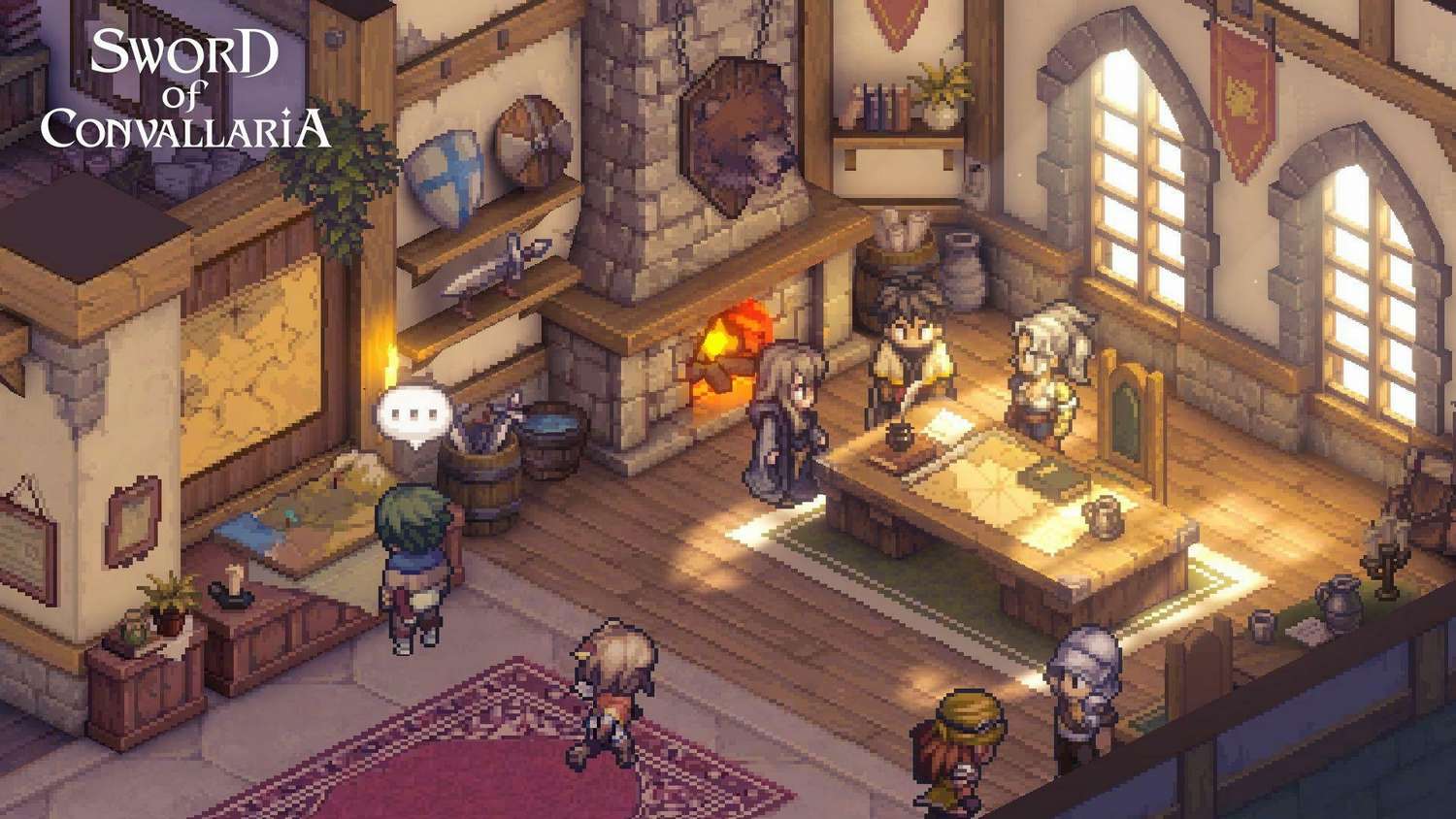
Before diving deeper into the Witcher integration, it’s essential to understand Sword of Convallaria’s foundational appeal. Developed by XD Inc., the game positions itself as a premium tactical RPG, drawing inspiration from genre classics while boasting stunning sprite-based visuals and intricate environmental design. Its combat system emphasizes strategic positioning, elemental synergies, and careful resource management, demanding thoughtful decision-making from players. The game features a compelling narrative rich with political intrigue and moral dilemmas, set in the war-torn land of Convallaria. This commitment to depth and storytelling has garnered significant attention from strategy game enthusiasts.
The game’s monetization model, typical of many gacha games, revolves around character acquisition through a lottery system, alongside various in-app purchases for currency, resources, and cosmetic items. From a review standpoint, a key concern often arises regarding the balance between free-to-play accessibility and the pressure to spend for optimal team compositions. A high-profile collaboration like The Witcher III could significantly boost gaming revenue, but it also elevates expectations for how these new characters will be acquired and integrated, ensuring they feel like valuable additions rather than exploitative monetization vehicles. The success of this collaboration will largely depend on its ability to offer meaningful gameplay enhancements without alienating existing players or overwhelming new ones with overly aggressive monetization strategies.
The Witcher III’s Enduring Legacy Meets New Frontiers
The Witcher III: Wild Hunt, developed by CD Projekt Red, stands as a titan in the RPG landscape, celebrated for its expansive open world, mature storytelling, memorable characters, and unparalleled quest design. Geralt of Rivia has transcended mere video game protagonist status to become a cultural icon, and the game’s influence continues to resonate nearly a decade after its initial release. This enduring legacy makes The Witcher III an exceptionally powerful collaboration partner, capable of injecting immense prestige and attracting a massive, dedicated fanbase to any associated project.
The appeal of Geralt extends beyond his combat prowess; it’s his morally grey choices, his gruff charm, and his monster-hunting expertise that define him. Integrating such a nuanced character into a new game environment requires careful consideration of lore, character personality, and thematic consistency. A superficial implementation risks diluting the impact of both franchises. From a reviewer’s perspective, the narrative justification for Geralt’s presence in Convallaria, and how his worldview interacts with the game’s existing lore, will be a crucial factor in determining the collaboration’s overall success and authenticity. This isn’t just about adding new units; it’s about weaving a credible, engaging narrative thread that honors both source materials.
Deep Dive into Potential Gameplay Integrations and Character Synergies
The core excitement surrounding the Sword of Convallaria x The Witcher III collaboration stems from the potential for novel gameplay elements. Tactical RPGs thrive on diverse character kits and strategic interactions. Here’s how iconic Witcher elements could theoretically enhance Convallaria’s strategic depth:
- Geralt of Rivia: As a master swordsman and user of Signs, Geralt could introduce unique combat mechanics. His fast attacks might allow for multiple actions or counter-attacks. Signs like Igni (fire), Aard (telekinetic blast), or Quen (protective shield) could offer area-of-effect damage, crowd control, or defensive buffs, adding layers to grid-based combat. Imagine using Aard to push enemies off high ground for environmental damage or utilizing Quen to absorb a critical hit.
- Ciri: Her distinctive warp abilities, which allow her to instantly close distances or bypass obstacles, could revolutionize tactical movement. In a grid-based system, this might manifest as a unique teleporter ability, allowing her to rapidly reposition or flank enemies, creating new strategic pathways and opening up unconventional approaches to level design and objective control. Her chaotic magic could also manifest as unpredictable, high-damage abilities.
- Yennefer of Vengerberg: As a powerful sorceress, Yennefer could bring devastating area-of-effect spells, potent debuffs, and perhaps even teleportation or summoning abilities. Her magical prowess could make her a high-value target but also a game-changing asset in complex engagements, offering crucial support or offensive pressure from a distance, reinforcing the tactical emphasis on unit placement and spell timing.
- Exclusive Gear and Cosmetic Items: Beyond characters, the collaboration is likely to introduce new weapons (like Geralt’s silver and steel swords), armor sets, and cosmetic skins inspired by The Witcher. These could not only serve as visually appealing additions but potentially come with unique stats or set bonuses, encouraging players to invest in the collaboration content.
- New Story Elements or Side Quests: A well-executed crossover often includes a compelling narrative explanation for the characters’ presence. Limited-time event stages, new side quests, or even a mini-campaign could see players aiding Geralt in a monster hunt or unraveling a mystery rooted in Convallaria’s lore, creating a rich narrative experience that bridges the two universes and offers unique rewards.
From a gameplay review perspective, the implementation must feel balanced. Witcher characters should be powerful and desirable but not overtly game-breaking, maintaining the existing meta-game while offering exciting new strategic options. The acquisition method for these limited-time characters will also be scrutinized; will they be easily obtainable through gameplay, or primarily gated behind intensive gacha mechanics and high-cost premium currency? The balance between monetization and player satisfaction is a delicate tightrope walk that XD Inc. must navigate carefully.
Analyzing the Impact: Market Buzz, Player Engagement, and Future Prospects
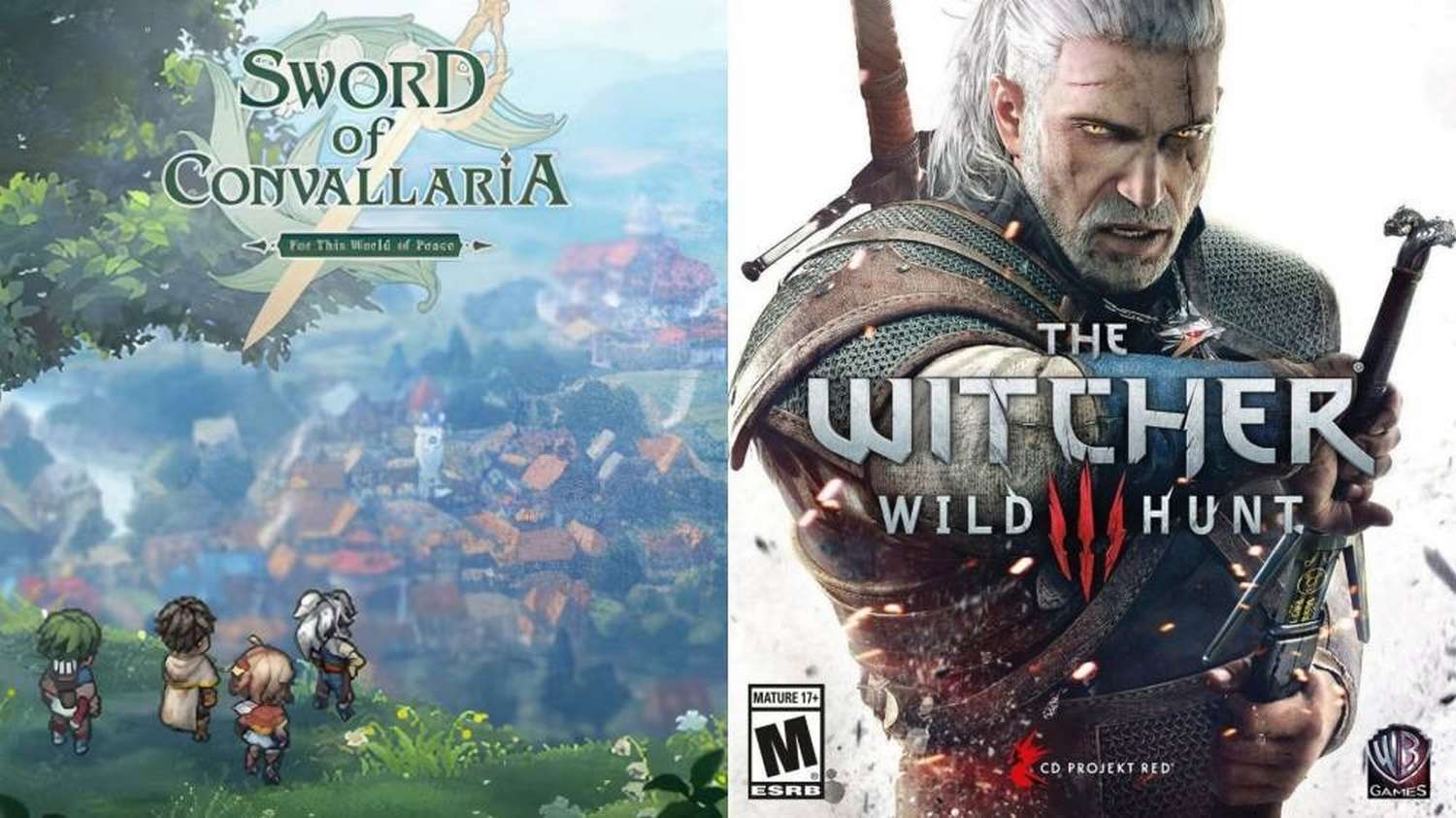
The announcement of the Sword of Convallaria x The Witcher III collaboration immediately generates immense market buzz, placing Convallaria squarely in the spotlight of the global gaming community. For XD Inc., this partnership represents a significant investment and a bold statement of intent. The potential benefits are multifaceted:
- Increased Visibility and Downloads: Leveraging The Witcher’s brand recognition will undoubtedly drive a surge in downloads and new player registrations, especially from fans of the original game who might not typically engage with mobile tactical RPGs. This expansion of the player base is crucial for any aspiring live service game.
- Enhanced Player Engagement and Retention: The allure of iconic characters and unique content can significantly boost engagement for existing players. Limited-time events, character banners, and new challenges provide fresh reasons to log in, play, and invest in the game, contributing to higher average playtime and improved retention rates.
- Revenue Growth: High-profile collaboration content often translates to substantial revenue generation through in-app purchases related to character acquisition, bundles, and cosmetic items. If executed well, the collaboration can be a major financial boon, enabling further game development and content creation.
- Brand Reputation: A successful, well-received collaboration can significantly elevate Sword of Convallaria’s reputation as a high-quality, ambitious title capable of attracting and integrating AAA partnerships. This can open doors for future collaborations and solidify its standing within the competitive mobile gaming market.
However, risks are inherent. A poorly executed collaboration – one that feels shoehorned, exploits players with predatory monetization, or fails to deliver meaningful content – could lead to backlash, damaging Convallaria’s reputation and alienating its core audience. The integration of premium content must justify its cost with engaging gameplay and a sense of value. From a review standpoint, the integrity of the collaboration’s implementation will be paramount in shaping public perception and long-term success.
Conclusion: A High-Stakes Bet for Mobile RPG Dominance
The Sword of Convallaria x The Witcher III collaboration is undeniably one of the most exciting pieces of gaming news for tactical RPG enthusiasts and Witcher fans alike. It represents a high-stakes bet by XD Inc., aiming to significantly elevate Convallaria’s profile and secure its position in the fiercely contested mobile gaming arena. The trailer has set the stage for what could be an epic convergence of two distinct, yet equally compelling, fantasy worlds.
As game reviewers and players eagerly await further details and the official launch of the collaboration, the focus remains on the quality of implementation. Will Geralt of Rivia, Ciri, and Yennefer be more than just powerful units? Will they seamlessly blend into Convallaria’s intricate narrative and tactical gameplay, offering truly fresh and engaging experiences? The potential for this crossover to redefine expectations for mobile strategy games is immense, but its ultimate success will hinge on XD Inc.’s commitment to delivering a polished, respectful, and genuinely fun integration that honors the legacy of both franchises while providing compelling value to its players. This is not just about adding new content; it’s about strategically evolving Sword of Convallaria into a definitive experience in the tactical RPG space, proving that mobile platforms can host truly epic and meaningful collaborations.