
Pokémon Unite’s Aeos Coin Discontinuation: A Deep Dive into the MOBA’s Uncertain Future and Player Economy Shifts









Popular Now
 Rust
Rust
 Candy Crush Saga
 NBA 2K24
Gacha Club
NBA 2K24
Gacha Club
 God of War Ragnarök
 Toca Boca World
 League of Legends
 R.E.P.O
 Among Us
 Black Myth: Wukong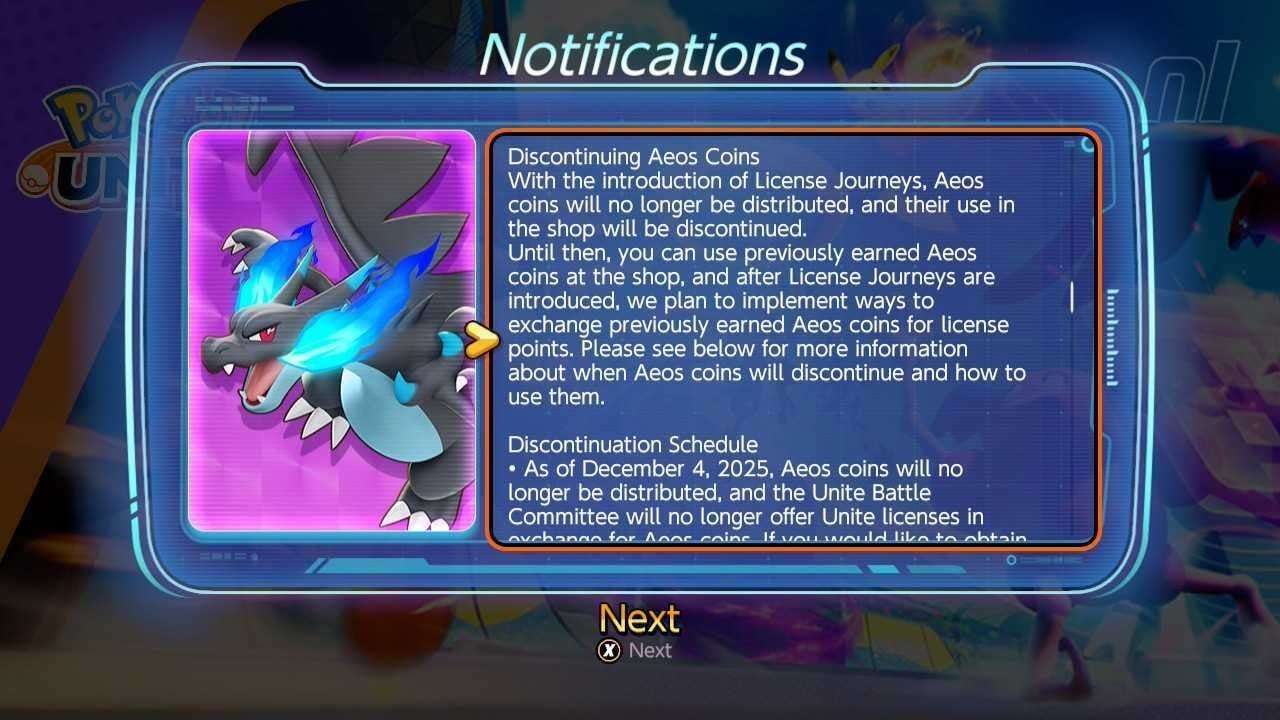
The world of Aeos Island, home to the vibrant Pokémon Unite MOBA, is currently navigating a significant change that has sent ripples of concern through its dedicated player base. TiMi Studio Group and The Pokémon Company recently announced the impending discontinuation of Aeos Coins, a fundamental in-game currency that has long served as the primary means for players to acquire new Pokémon, item upgrades, and various cosmetic items without spending real-world money. This strategic shift, effective from April 22, 2024, has not only sparked widespread discussion but also raised critical questions about the game’s future monetization strategy, accessibility for free-to-play (F2P) players, and overall economic health. As the game transitions away from this familiar currency, the community is left wondering about the long-term implications for player engagement, content acquisition, and the very foundation of Pokémon Unite’s competitive and casual appeal. This deep dive explores the ramifications of this decision, examining its potential impact on the game’s economy, player experience, and its standing within the crowded mobile and Nintendo Switch MOBA market.
Understanding Aeos Coins and Their Vital Role in Pokémon Unite
For veterans and newcomers alike, Aeos Coins have been an indispensable part of the Pokémon Unite experience since its launch. Earned through daily missions, battle pass progression, event participation, and achieving battle victories, these coins provided a clear and accessible pathway for players to unlock new Unite Licenses (Pokémon), upgrade their Held Items, and purchase fashion items for their Trainers. In a free-to-play model, a robust and player-friendly in-game currency system is paramount, acting as the bridge between gameplay effort and tangible rewards. Aeos Coins fulfilled this role admirably, allowing players to gradually build their roster of powerful Pokémon and enhance their competitive edge without the pressure of immediate financial investment. This accessibility has been a cornerstone of Pokémon Unite’s appeal, particularly for a younger audience or those who prefer to engage with games purely through time commitment rather than monetary spending. The ability to grind for essential resources fostered a sense of progression and rewarded consistent play, contributing significantly to player retention and satisfaction. The existence of Aeos Coins alongside premium currencies like Aeos Gems offered a balanced economy where both paying and non-paying players could feel valued and capable of advancing.
 The Official Announcement: What’s Changing and When?
 The Official Announcement: What’s Changing and When?
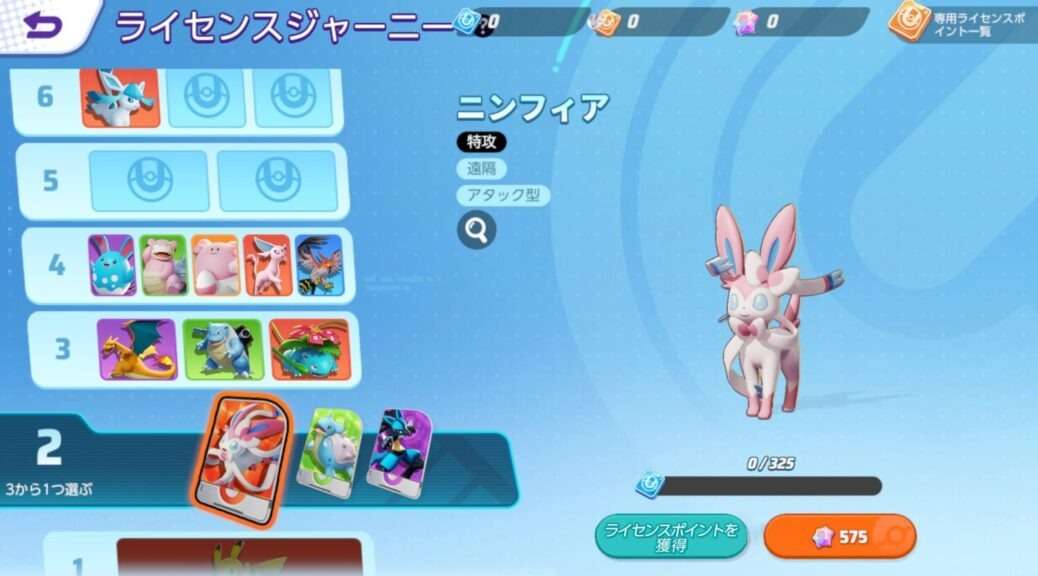
The official communication from the developers confirmed that Aeos Coins would be discontinued on April 22, 2024. Following this date, players will no longer be able to earn new Aeos Coins through standard gameplay. Crucially, any existing Aeos Coins in players’ inventories will be automatically converted into Aeos Tickets at a specified rate. Aeos Tickets, while also an in-game currency, traditionally have a more limited scope, primarily used for acquiring Trainer fashion items, boost cards, and some specific item enhancers. They have never been the primary currency for unlocking new Pokémon, which is where the bulk of player concern lies. The announcement specified that the primary method for acquiring new Unite Licenses would transition to being primarily through Aeos Gems (the premium, real-money currency) or via Unite Licenses earned through Battle Pass progression or specific events. This fundamental shift in how players unlock new characters represents a significant departure from the game’s original economic design and is at the heart of the community’s worries regarding future accessibility and the perceived value of in-game effort. The move signals a potential restructuring of the entire monetization framework, pushing players towards premium purchases or limited-time events for core gameplay progression elements.
Community Reaction: Worry, Speculation, and Player Engagement
The immediate aftermath of the Aeos Coin discontinuation announcement saw a surge of activity across various Pokémon Unite communities on platforms like Reddit, Twitter, and Discord. The sentiment was predominantly one of apprehension and disappointment. Many players expressed fears that the game would become significantly less accessible for free-to-play users, potentially creating a wider gap between those who can afford to spend money and those who cannot. Concerns were raised about the pace at which new Pokémon could be acquired, with some speculating that the meta might become increasingly pay-to-win if new, powerful characters are locked behind paywalls or extremely lengthy grind events. Veteran players, who had diligently accumulated Aeos Coins over years, felt a sense of devaluation for their past efforts, particularly given the conversion to a less versatile currency like Aeos Tickets. The removal of a universally obtainable currency also sparked discussions about the overall generosity of the game’s economy and whether this move was a precursor to further tightening of in-game rewards. Some players speculated about the developer’s motives, suggesting it might be an attempt to boost revenue in a competitive market or streamline a complex currency system that perhaps wasn’t generating sufficient income. The lack of detailed information regarding alternative F2P methods for consistently acquiring new Pokémon has fueled much of this anxiety, leading to calls for greater transparency and clearer communication from TiMi Studio Group and The Pokémon Company.
Economic Implications: Free-to-Play Accessibility and Monetization Shifts
The discontinuation of Aeos Coins marks a pivotal moment for Pokémon Unite’s in-game economy and its long-term free-to-play accessibility. Without Aeos Coins, the primary method for acquiring new Unite Licenses outside of specific events or Battle Pass rewards will likely fall to Aeos Gems, which are purchased with real money. This could significantly impact new players or those with limited budgets, making it much harder to build a diverse roster of Pokémon. A diverse roster is crucial not only for strategic depth in competitive play but also for maintaining player interest and preventing burnout from using a limited set of characters. If access to new Pokémon becomes predominantly premium, it could deter new user acquisition and alienate existing F2P players, leading to a decline in the player base. From a business perspective, the move could be an attempt to consolidate monetization around Aeos Gems, potentially increasing average revenue per user (ARPU). However, this strategy carries inherent risks. An overly aggressive monetization model can lead to player exodus, as seen in various other F2P titles that struggled to balance revenue generation with player satisfaction. Developers often walk a tightrope between profitability and player generosity, and this decision tips the scales towards a more restrictive F2P experience. The shift could also elevate the importance of the Battle Pass, making it an even more essential purchase for players looking to keep pace with new content and meta shifts. The conversion of existing Aeos Coins to Aeos Tickets, while providing some utility, does not fully address the void left in character acquisition, which remains the core concern for many within the Pokémon Unite community.
 Developer Strategy and the Broader MOBA Landscape
 Developer Strategy and the Broader MOBA Landscape
Understanding the developer’s rationale behind such a significant change requires looking at the broader context of the MOBA genre and F2P monetization trends. Many MOBAs, especially on mobile platforms, frequently adjust their in-game economies to optimize revenue, manage game balance, or streamline player experience. It’s possible that TiMi Studio Group found the Aeos Coin system to be less efficient in driving desired player behaviors or revenue compared to other models. Perhaps the original coin generation rates were too generous, impacting premium currency sales, or the system was simply too complex to manage alongside other evolving currencies and reward structures. This change could be part of a larger strategy to simplify the in-game economy, reduce the number of distinct currencies, and concentrate value into fewer, more impactful systems like Battle Passes or direct premium purchases. Other successful MOBAs often feature a rotating free champion pool or rely heavily on Battle Pass systems for character unlocks, sometimes with a slower F2P grind. While this move brings Pokémon Unite closer to some industry standards, it deviates significantly from its own established player expectations. The competitive landscape for mobile MOBAs is fierce, with titles like Mobile Legends: Bang Bang, League of Legends: Wild Rift, and Arena of Valor constantly vying for player attention and spending. Developers are under immense pressure to innovate and find sustainable monetization strategies. This change could be TiMi’s attempt to secure Pokémon Unite’s long-term financial viability, albeit at the potential cost of player goodwill and F2P accessibility. The success of this strategy will heavily depend on how new F2P acquisition methods are introduced (if any) and how transparent the developers are about their plans for ensuring a fair and engaging experience for all players, regardless of their spending habits.
Long-Term Outlook for Pokémon Unite and Player Retention
The discontinuation of Aeos Coins casts a shadow of uncertainty over Pokémon Unite’s long-term outlook and its ability to retain its diverse player base. Player retention in F2P games is heavily influenced by a sense of progression, fairness, and the accessibility of new content. If players perceive that the game is becoming increasingly pay-to-win or that their efforts are no longer adequately rewarded, they are likely to disengage. New player acquisition could also suffer if the initial barrier to entry—specifically, building a diverse roster of Pokémon—becomes too high without significant financial investment. For a game that relies heavily on its community for engagement, competitive play, and content creation, a mass exodus of F2P players could severely impact matchmaking quality, queue times, and the overall vibrancy of the ecosystem. The competitive scene, including potential Esports endeavors, also depends on a healthy and active player base with access to a wide range of strategic options. While the immediate impact will be felt by existing players, the ripple effects could extend to the game’s future updates, content cycles, and even its lifespan. To mitigate these risks, TiMi Studio Group and The Pokémon Company will need to be proactive in addressing community concerns, potentially by introducing new, generous F2P methods for acquiring Unite Licenses, offering frequent in-game events with Pokémon rewards, or revamping existing reward structures to compensate for the loss of Aeos Coins. Clear communication, transparency about future monetization, and a commitment to maintaining a balanced and accessible experience will be crucial for navigating this transition and securing Pokémon Unite’s place in the competitive MOBA market.
Conclusion: Navigating the Future of Aeos Island
The decision to discontinue Aeos Coins in Pokémon Unite represents a bold, yet controversial, pivot in the game’s economic strategy. While developers frequently adjust monetization models, such a fundamental change to a core in-game currency is bound to elicit strong reactions from the player base. The immediate concern revolves around the accessibility for free-to-play players, the perceived value of in-game effort, and the potential for a widening gap between paying and non-paying users. As of April 22, 2024, the landscape of Aeos Island will undeniably shift, and the onus is now on TiMi Studio Group and The Pokémon Company to demonstrate that this change is for the long-term health and prosperity of the game, rather than a move that alienates its most dedicated fans. The community remains cautiously optimistic, awaiting further details on how the void left by Aeos Coins will be filled and what new avenues for content acquisition will emerge. The future of Pokémon Unite hinges on effective communication, thoughtful implementation of new reward systems, and a continued commitment to fostering a fair and engaging experience for every Trainer, ensuring that the thrill of battle and the joy of collecting Pokémon remain at the heart of this beloved MOBA.