
Edgar Wright’s ‘The Running Man’: How a Stephen King Classic Gets a Dystopian Reality Overhaul








Popular Now
 Fortnite
Fall Guys
Gacha Club
Fortnite
Fall Guys
Gacha Club
 EA SPORT FC 25
 Geometry Dash
Garena Free Fire: Kalahari
Geometry Dash
Garena Free Fire: Kalahari
 Rust
Rust
 League of Legends
 Toca Boca World
 Brawl Stars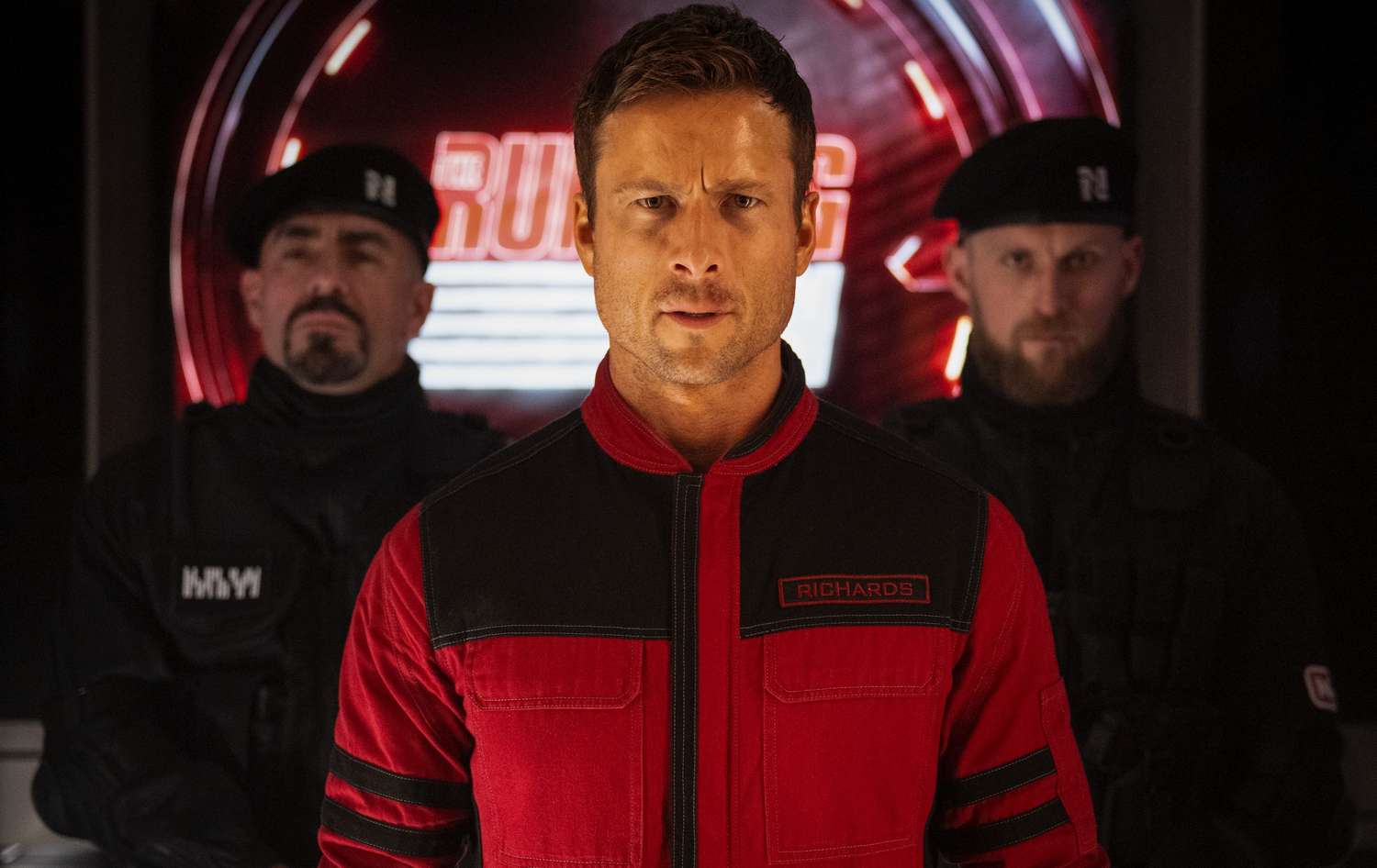
In an age increasingly defined by surveillance, media saturation, and a pervasive sense of societal unease, the prospect of Edgar Wright adapting Stephen King’s chilling 1982 novel, “The Running Man,” is nothing short of exhilarating. Originally penned under King’s pseudonym Richard Bachman, the dystopian thriller paints a grim picture of a future where the impoverished are forced to compete in a deadly game show for survival and public entertainment. Decades later, with Wright at the helm, this cult classic is poised for a timely and impactful resurgence, offering a stark reflection on our contemporary reality.
Wright, renowned for his distinctive visual flair, kinetic editing, and razor-sharp wit in films like “Shaun of the Dead” and “Baby Driver,” brings a unique directorial sensibility to the table. His attachment to this project signals a deliberate move to reimagine the source material not just as another action-thriller, but as a potent piece of social commentary tailored for the 21st century. The original novel, while prescient, lacked the digital infrastructure that now governs nearly every aspect of our lives. Wright’s adaptation promises to bridge this gap, updating a 42-year-old narrative for a world saturated with digital surveillance, reality television, and the insidious algorithms that shape our perceptions.
The Enduring Relevance of a Dystopian Nightmare
Stephen King’s “The Running Man” tells the story of Ben Richards, a desperate man who volunteers for a deadly game show where he is hunted across the country by professional ‘Hunters.’ The longer he survives, the more money his family earns. The entire spectacle is broadcast live, captivating a population pacified by manufactured entertainment and oblivious to systemic injustices. This core premise, far from being outdated, resonates with alarming accuracy in our current socio-political landscape.
- Media Manipulation and Reality Television: The novel’s central conceit, a televised death game, finds chilling parallels in today’s media landscape. From highly produced survival shows to the endless scroll of viral content depicting human suffering, the lines between reality and entertainment have blurred. Wright, with his keen eye for media satire, can escalate this by incorporating elements of live streaming, social media virality, and public participation, turning the audience into complicit voyeurs in Richards’ plight. This could significantly amplify the story’s critique of consumerism and entertainment ethics.
- Economic Inequality and Class Warfare: King’s future America is sharply divided, with the wealthy enjoying lavish lifestyles while the poor struggle in decaying urban centers. Richards’ motivation is purely economic survival for his family. This theme is more pertinent than ever, as global economic disparities continue to widen. Wright’s adaptation can emphasize the stark contrast between the haves and have-nots, using visual storytelling to highlight the brutal consequences of a society that abandons its most vulnerable. The concept of ‘game show justice’ where poverty is exploited for spectacle is a powerful high-CPC keyword theme that could drive significant online discussion.
- Surveillance State and Loss of Privacy: While King’s 1982 vision of surveillance relied on rudimentary cameras and human trackers, modern technology offers far more insidious methods. Drones, facial recognition, AI-driven tracking, and ubiquitous digital footprints mean Ben Richards would have virtually nowhere to hide. Wright’s film can explore the terrifying implications of a fully integrated surveillance state, where every move is monitored, every thought potentially predicted. This technological upgrade will not only heighten the thriller aspect but also serve as a profound cautionary tale about digital freedom.
 Edgar Wright’s Signature Touch: Beyond the Chase
 Edgar Wright’s Signature Touch: Beyond the Chase
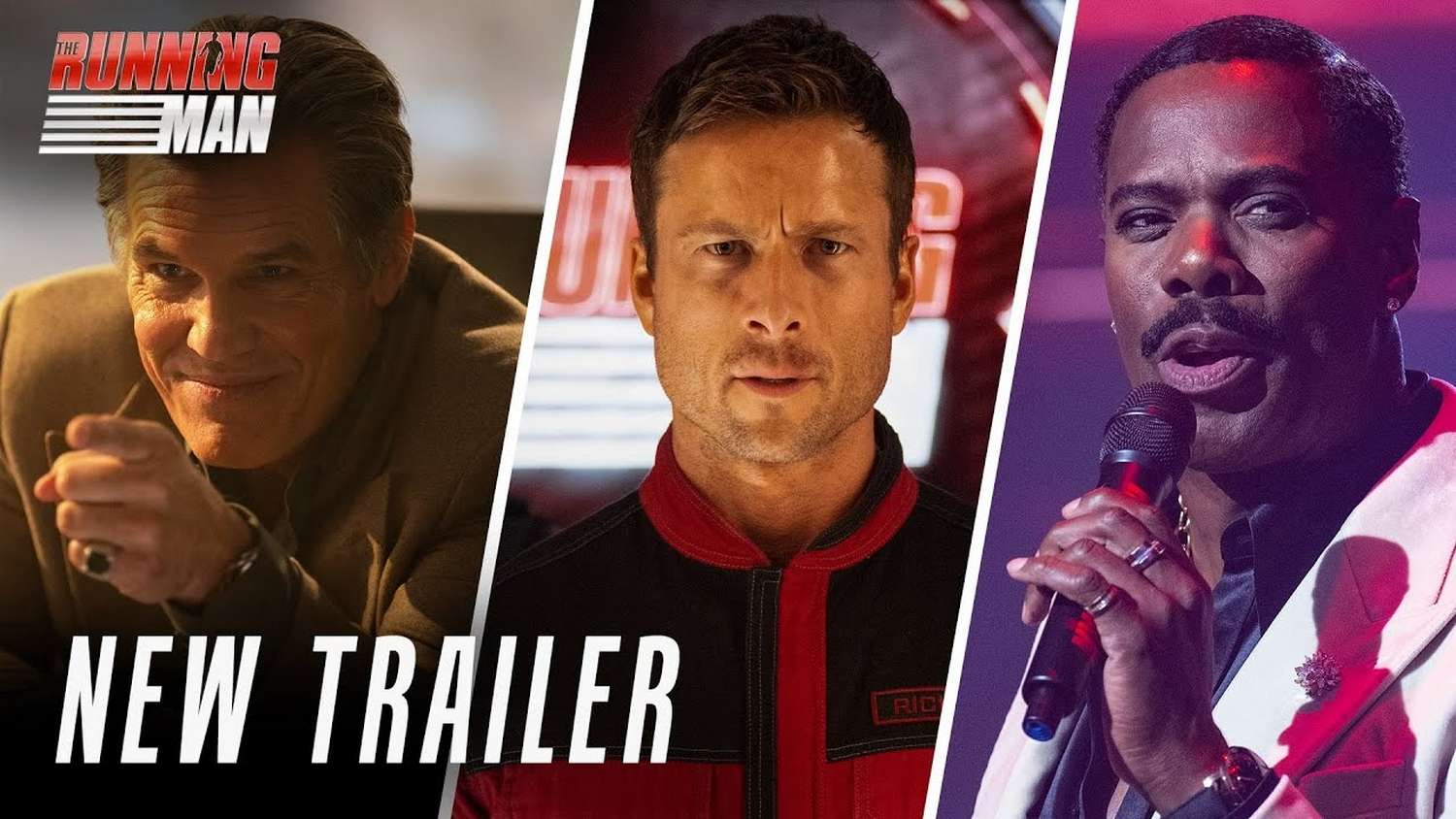
What makes Edgar Wright an ideal choice for this adaptation is his ability to blend genre conventions with sharp social commentary and a distinct visual style. He doesn’t just tell stories; he crafts experiences that are both entertaining and thought-provoking. His films often feature:
- Dynamic Editing and Pacing: Wright’s characteristic quick cuts, synchronized movements, and meticulous scene construction will undoubtedly elevate the intensity of Richards’ escape. The ‘running’ aspect of the story will become a masterclass in cinematic adrenaline, enhanced by a carefully curated soundtrack, a staple of Wright’s work.
- Subversive Humor and Irony: While “The Running Man” is inherently dark, Wright has a knack for finding moments of darkly comedic irony within grim circumstances. This doesn’t detract from the seriousness but rather underscores the absurdity and horror of the situation, making the satire even more biting.
- Character-Driven Storytelling: Despite the spectacle, Wright’s films are always anchored by compelling characters. He will likely ensure Ben Richards is not just a pawn in a game, but a fully realized individual whose desperation and resilience drive the narrative, making his struggle deeply empathetic for a modern audience grappling with their own anxieties.
 A Mirror to Our Present Dystopia
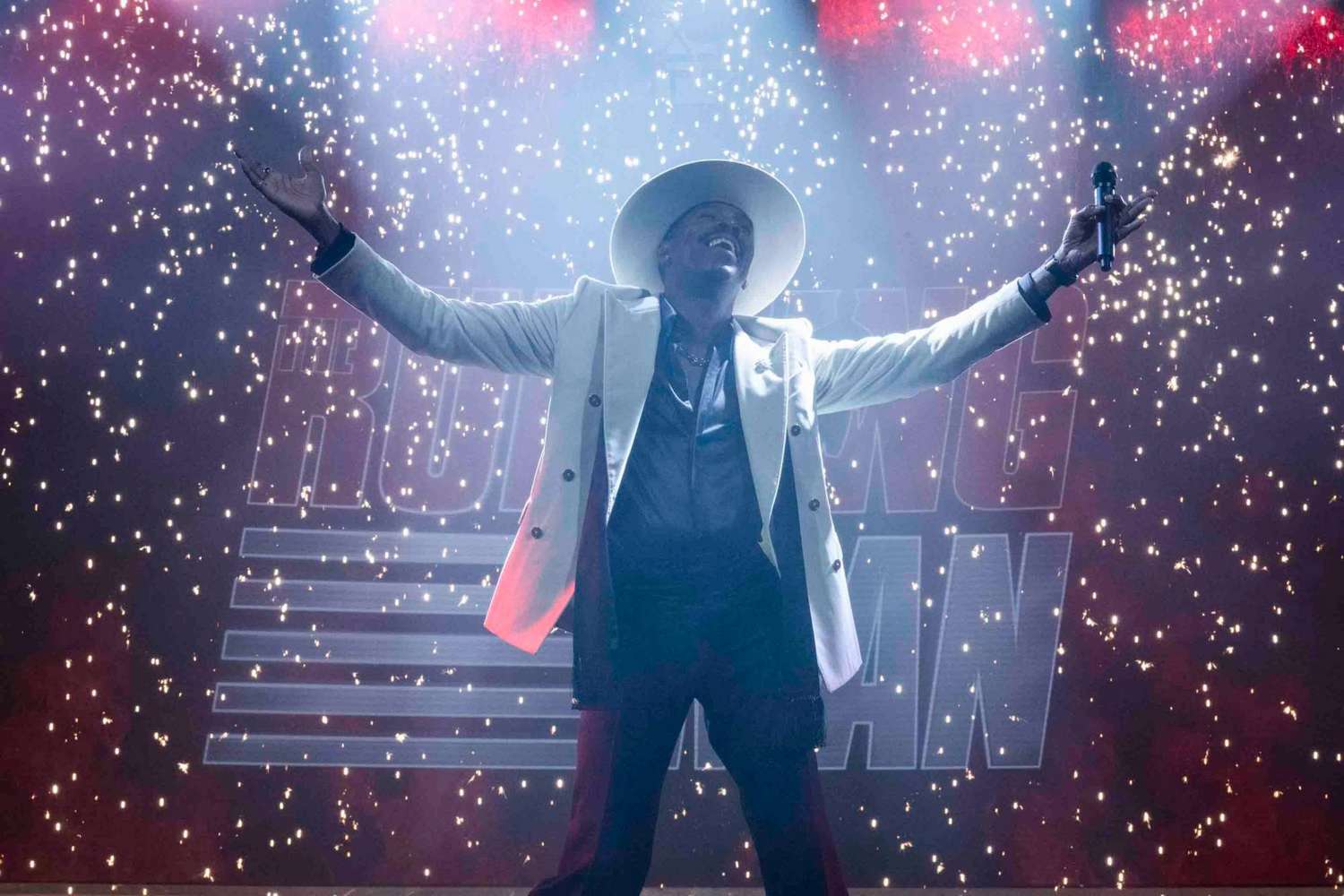 A Mirror to Our Present Dystopia
The beauty of King’s original narrative, and the potential genius of Wright’s adaptation, lies in its capacity to hold a mirror to society. We live in a world where data is constantly collected, where social media dictates narratives, and where the spectacle of reality often overshadows genuine human connection or empathy. The idea of public entertainment derived from human suffering feels less like science fiction and more like a potential logical conclusion of certain societal trends.
Edgar Wright’s “The Running Man” isn’t just an anticipated film; it’s a critical cultural event. It promises to be a visceral, adrenaline-fueled ride that simultaneously forces audiences to confront uncomfortable truths about their own world. By blending a classic dystopian narrative with cutting-edge cinematic techniques and an acutely contemporary sensibility, Wright is poised to deliver a thriller that is not only thrilling but profoundly relevant, challenging viewers to question the cost of entertainment and the true nature of freedom in an increasingly monitored and commodified existence. This update will undoubtedly spark widespread discussion on digital ethics, social responsibility in media, and the very fabric of our emerging dystopian reality.