
Battlefield 6 Support Challenges Ignite Player Fury: Is Game Design Encouraging ‘Griefing’ or Rewarding Tedium?










Popular Now
 CarX Street
 Brawl Stars
 Fortnite
 EA SPORT FC 25
Poppy Playtime
EA SPORT FC 25
Poppy Playtime
 Free Fire
 FIFA 23
 Sonic the Hedgehog™ Classic
 PUBG Mobile
 Stumble Guys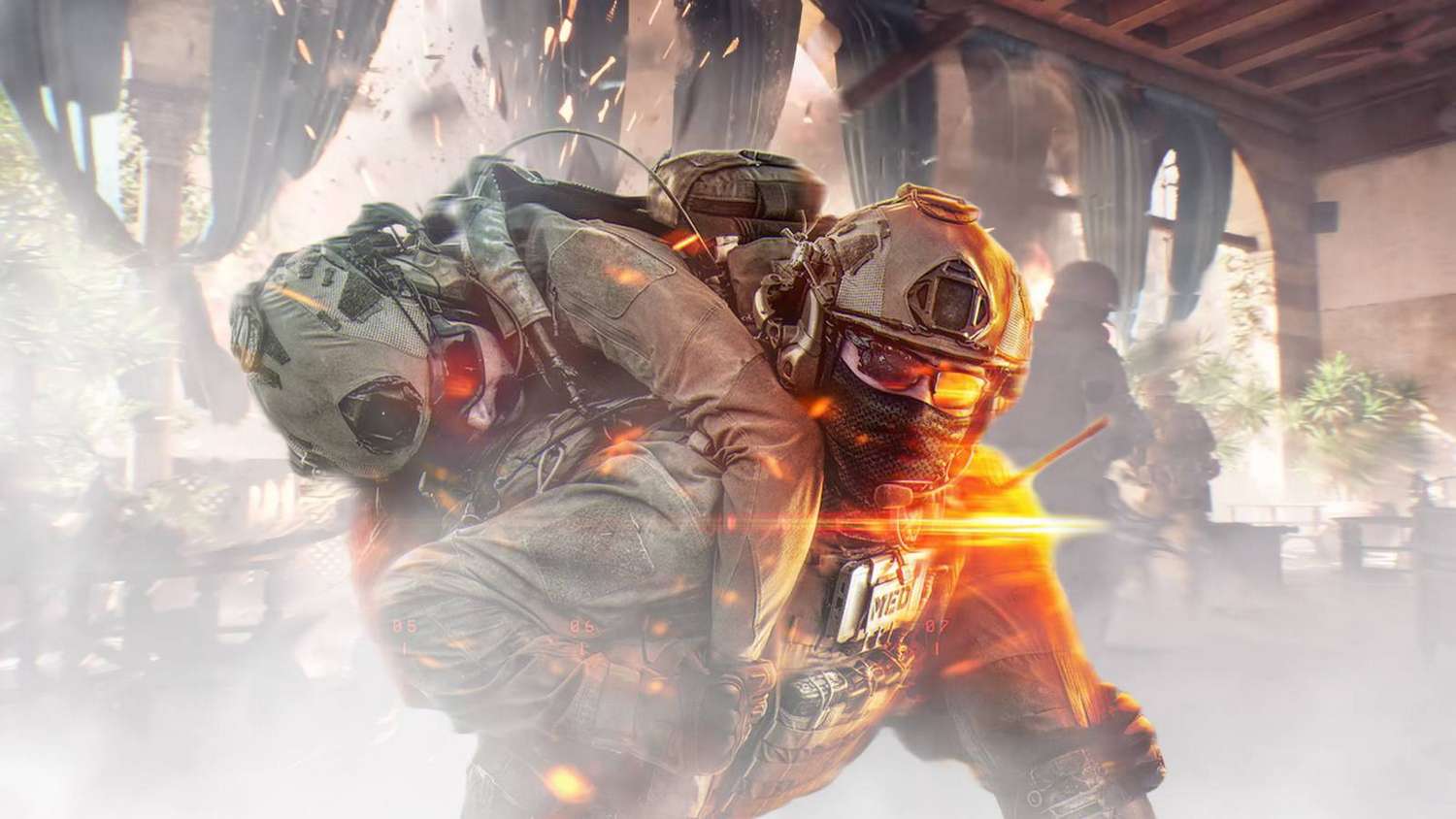
The Progression Crisis: Core Support Challenges Demand Unintuitive, ‘Anti-Team’ Play
The release of Battlefield 6 has been marred by a highly publicized controversy surrounding the Class Challenges required to unlock critical equipment and the advanced Training Paths for the Support class. Reports from the PC gaming community and prominent streamers detail challenges that are either astronomically high in their requirements or, more critically, demand gameplay behaviors that actively run counter to the core concept of team-based FPS play—a phenomenon players are labeling as “griefing” or “anti-social gaming.”
The issue stems from several specific challenges that force players to optimize for progress tracking rather than winning the match or assisting teammates effectively. This misalignment of incentive and role is proving detrimental to the in-game economy of teamwork and has become a major talking point in game reviews and community forums, driving searches for “Battlefield 6 progression fix” and other high CPC keywords.
Case Study in Frustration: The Three Most Egregious Support Challenges
The Support class, the backbone of any Battlefield squad for revives and resupply, is currently suffering the most from these poorly tuned progression gates. The original requirements, before recent and ongoing developer adjustments, were often seen as impossible in standard multiplayer modes.
The “Heal Teammates” Dilemma: Broken Tracking and High Requirements
One of the earliest and most infuriating challenges for unlocking the M320A1 Smoke Grenade Launcher required players to Heal teammates for 5,000 health with the Support class. The main problem was not the number, but the mechanic:
- Bugged Tracking: Initial reports, corroborated across thousands of player experiences, indicated that the challenge would only track progress when squadmates manually interacted with the healing supply bag, or in extremely inconsistent ways. Simple proximity healing often failed to register.
- The ‘Griefing’ Aspect: Players reported being forced to deploy supply bags in illogical or dangerous locations, and sometimes even having to let teammates take minor damage to “prime” them for a countable heal—a behavior that frustrates teammates and provides minimal tactical benefit.
The “Smoke Assist” Grind: A Test of Negative Contribution
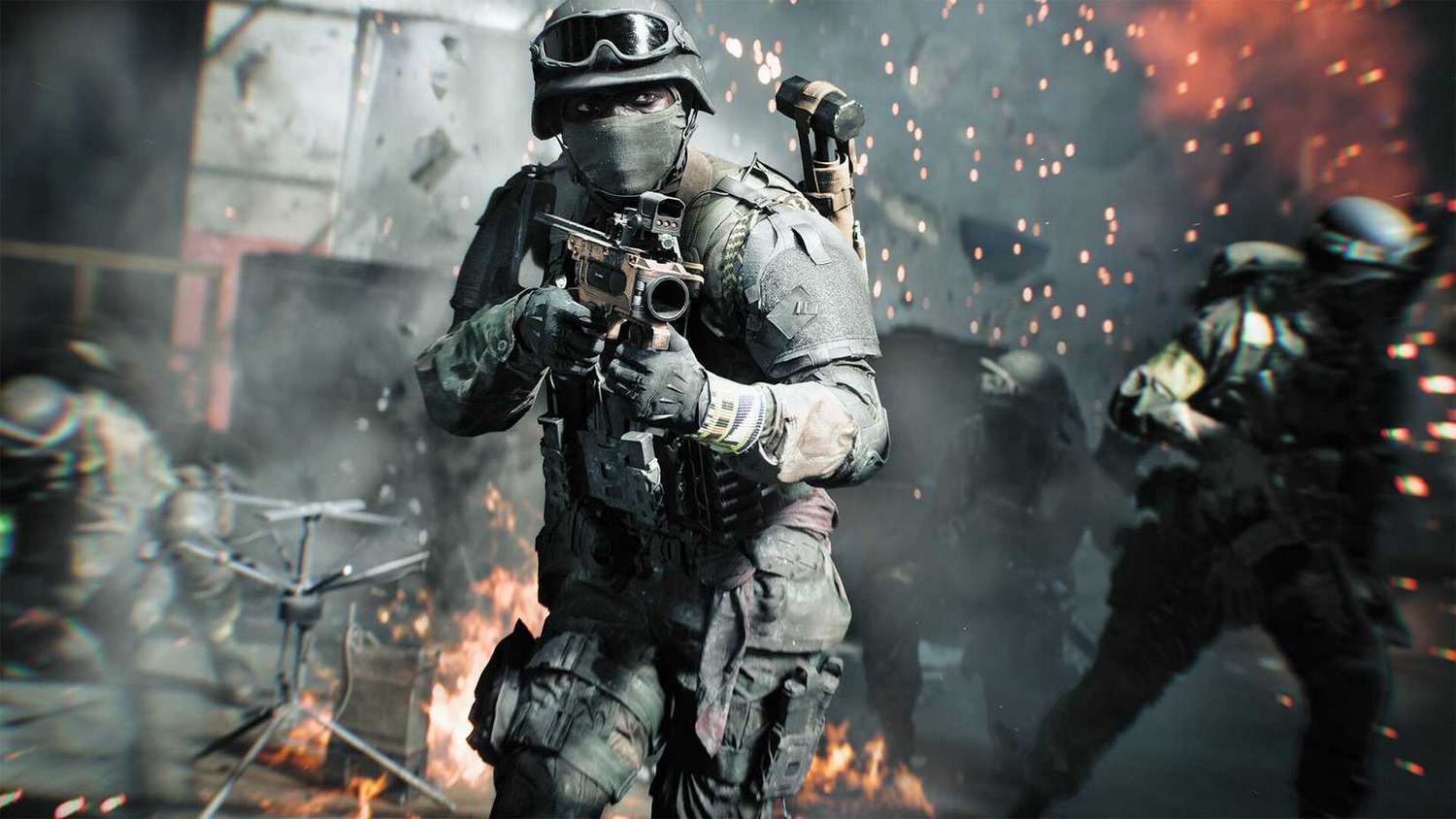
The challenge to Get 50 smoke assists as Support for the final unlocks was widely criticized for promoting detrimental tactics. The current implementation of “Smoke Assists” requires teammates to secure kills while within the visual obscurity of the player’s smoke grenade. However, given the fast-paced nature of the game:
- Anti-Tactical Placement: To guarantee an assist, the challenge incentivizes players to deploy smoke directly over enemy positions or active gunfights—often blinding friendly players more effectively than enemies, or using smoke in non-objective areas purely for personal challenge progression. This is the definition of a perverse incentive in a team-based shooter.
The Revive Wall: The Marathon of Tedium
A further progression step required 200 Revives as Support. While revives are a core function, the sheer volume forced players into a highly repetitive and risky loop:
- Quantity Over Quality: Players focused exclusively on spamming revives, often attempting incredibly dangerous, low-value resurrections solely to progress the counter, rather than prioritizing safer, more strategically sound actions like suppression or laying down a MaxGuard deployable. The developers have since recognized this, reducing the requirement to a more reasonable number (e.g., 60 in a recent patch), but the initial design highlights a critical flaw in the progression system’s philosophy.
Developer Response and The Path to Recovery
In the wake of intense player feedback and significant community backlash, Battlefield Studios has begun rolling out server-side and client-side updates aimed at addressing the progression crisis. This is a crucial move to stabilize player retention metrics and improve the overall sentiment towards the live-service game model.
- Requirement Reductions: Numerous challenges, including the “200 Revives” target, have seen substantial reductions to their requirements, making them more attainable in standard play sessions.
- Bug Fixes: The developers are actively investigating and patching issues related to tracking inconsistency for mechanics like healing and supply, which were previously the main sources of player frustration and the need to employ ‘griefing’ workarounds.
While the immediate response is a positive step for the gaming industry and the Battlefield community, the fundamental issue of designing challenges that misalign player effort with team goals remains a cautionary tale in Fidelity-Driven FPS development.
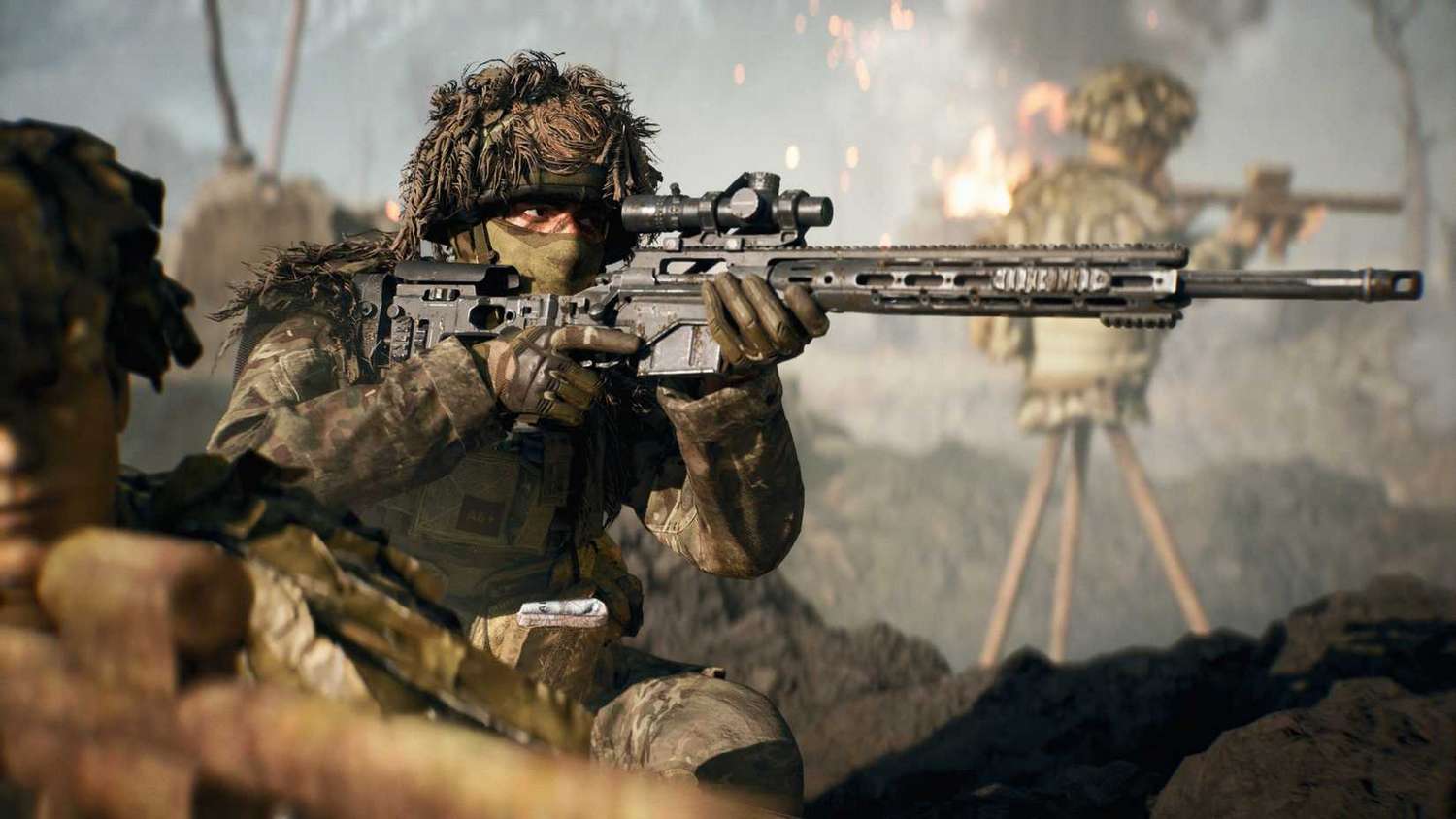
Conclusion: The controversy around the Support class challenges in Battlefield 6 serves as a stark reminder that progression systems must complement, not conflict with, the core gameplay loop. If players feel forced to act against their team’s best interest to unlock necessary tools, the game design has failed. The ongoing fixes are critical for restoring faith in the Battlefield experience and ensuring the Support class can once again focus on its vital role without engaging in virtual self-sabotage.