
The Lonesome Guild: Redefining Co-op Gaming Through the Unwavering Power of Friendship









Popular Now
 Minecraft
 Warframe
 Candy Crush Saga
 League of Legends
 Roblox
Garena Free Fire: Kalahari
Roblox
Garena Free Fire: Kalahari
 Toca Boca World
Call of Duty
Toca Boca World
Call of Duty
 Fortnite
 Stumble Guys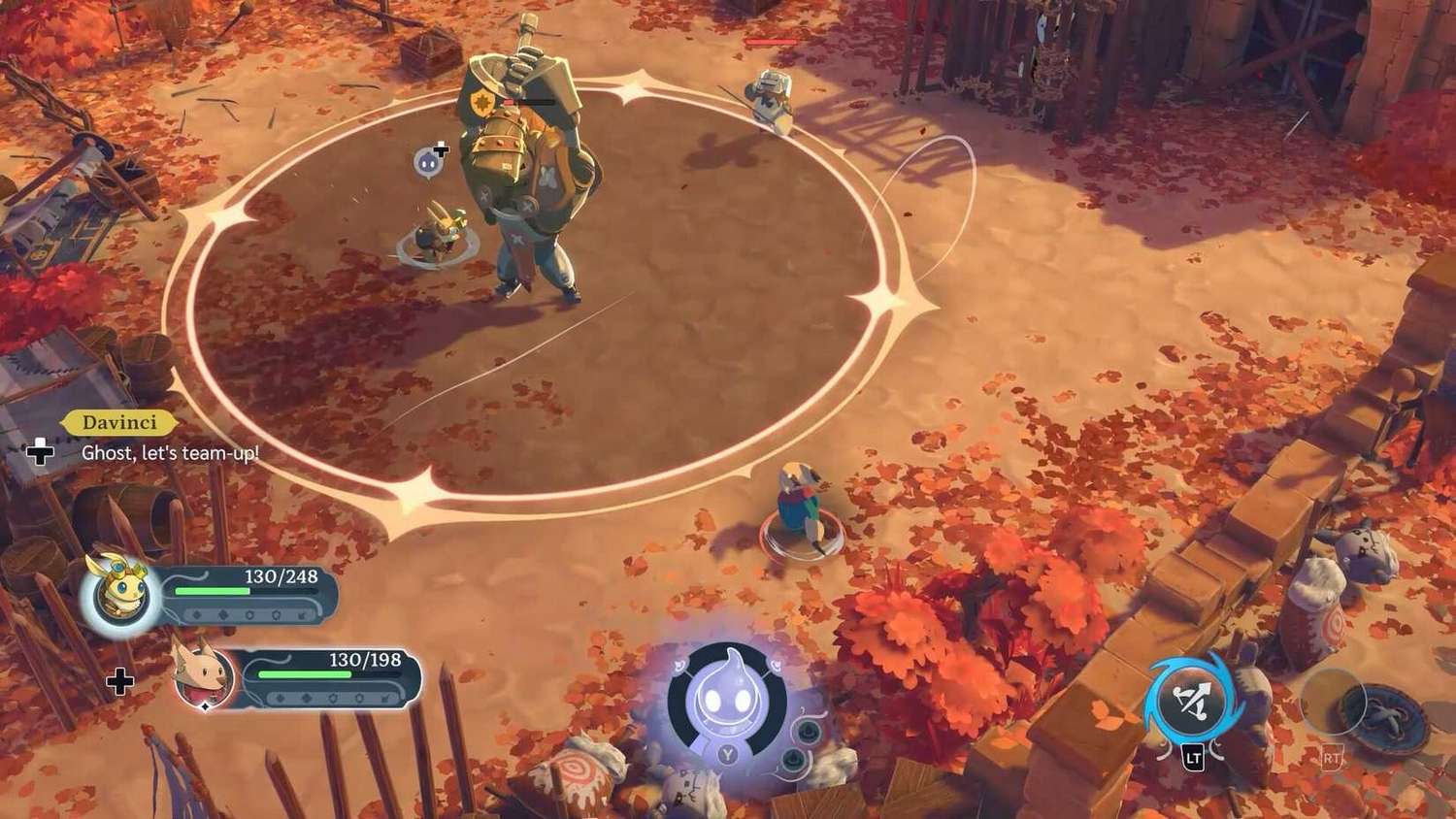
In an era dominated by hyper-competitive online gaming and often solitary single-player experiences, a refreshing title has emerged, challenging conventional wisdom and championing a fundamental human need: friendship. The Lonesome Guild, the latest offering from independent developer Solara Studios, is not merely another MMORPG or cooperative adventure; it’s a profound social experiment elegantly disguised as a game, meticulously crafted to foster genuine player connections and underscore the invaluable power of camaraderie.
For too long, multiplayer gaming has often prioritized individual achievement, leading to environments where players might feel isolated even amidst a bustling server. The Lonesome Guild takes a starkly different approach. From its very inception, every game mechanic, every quest objective, and every progression system is interwoven with the explicit goal of necessitating and rewarding genuine teamwork and reciprocal support. This isn’t just about sharing loot or coordinating attacks; it’s about building lasting bonds that transcend the virtual realm, offering a unique value proposition for players seeking deeper engagement and meaningful social interaction.
A Paradigm Shift in Multiplayer Dynamics
The core philosophy of The Lonesome Guild is brilliantly simple yet remarkably impactful. Unlike many games where ‘co-op’ often translates to simultaneous individual play, this title makes true collaboration indispensable. Players cannot simply power through content alone, nor can they rely on a single dominant individual to carry the team. Instead, success hinges on a balanced synergy of skills, communication, and mutual trust. This design choice fundamentally alters the ‘player experience’ and encourages a healthier, more inclusive gaming environment.
Consider the ‘Aura of Affinity’ system, a groundbreaking mechanic that grants significant statistical buffs and unique abilities not to individual characters, but to the entire party based on the collective ‘Friendship Score.’ This score is dynamically influenced by actions such as sharing resources, reviving fallen comrades, providing moral support through in-game emotes, and successfully completing challenging objectives together. This subtle yet powerful incentive system directly translates positive social interactions into tangible gameplay advantages, elevating altruism from a mere option to a strategic imperative. This innovative ‘social investment’ model is a masterclass in ‘player engagement strategies’ and ‘community building,’ concepts keenly observed by industry analysts for their potential to drive ‘long-term player retention’ and cultivate ‘loyal fanbases.’ Solara Studios understands that a connected player is a retained player, a critical metric in today’s saturated gaming market.
Mechanics of Connection: Building Bonds, Not Just Brawn
The game’s intricate design extends to its class system. While traditional roles like tanks, healers, and damage dealers exist, The Lonesome Guild introduces ‘Support’ and ‘Bond-Weaver’ classes whose primary function is to enhance party cohesion and facilitate connection. These classes don’t merely buff allies; they create shared pathways, link abilities between players, and even mitigate negative status effects based on proximity and shared history. For instance, a ‘Bond-Weaver’ can create a ‘Resonance Link’ between two players, allowing them to share health pools or mirror certain beneficial effects, making their survival intrinsically linked.
Furthermore, the game’s ‘Narrative Threads’ system is exceptionally noteworthy. Instead of static, solo questlines, players embark on dynamic ‘Shared Journeys’ where story progression and lore discovery are communal endeavors. Critical plot points might only unlock when specific pairs or groups of players, with sufficient ‘Friendship Scores,’ interact with certain NPCs or objects. This ensures that the narrative itself becomes a catalyst for interaction and shared discovery, deepening the immersion and emotional investment in the game world. This type of ‘collaborative storytelling’ is a fresh take on ‘MMORPG narratives,’ moving beyond simple fetch quests to create ‘meaningful content’ that encourages interaction.
 The Economic and Social Impact: A Sustainable Model for Virtual Companionship
 The Economic and Social Impact: A Sustainable Model for Virtual Companionship
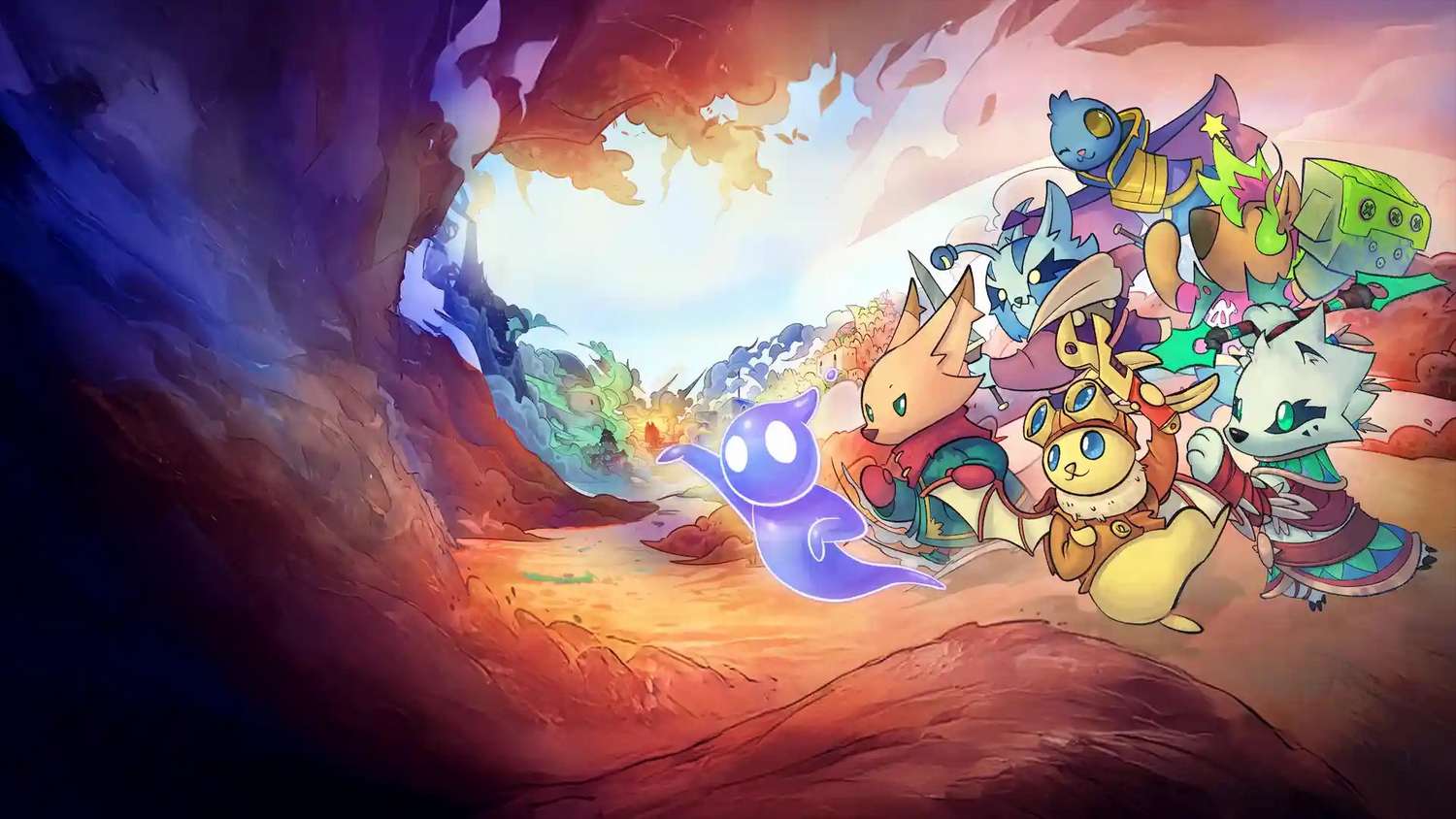
From an economic standpoint, The Lonesome Guild offers valuable lessons for developers seeking sustainable ‘monetization strategies’ in the gaming sector. By making friendship the cornerstone of the experience, the game inherently encourages players to invite friends, form lasting guilds, and stay engaged over extended periods. This organic ‘user acquisition’ and ‘player retention’ reduces the reliance on costly marketing campaigns and constant content updates, though new content is still vital. The ‘Friendship Pass’ – a unique Battle Pass equivalent that rewards players collectively for group achievements rather than individual grind – further reinforces this philosophy, ensuring that even ‘premium content’ is tied to social interaction.
The psychological impact of such a game cannot be overstated. In an increasingly digital and sometimes isolating world, The Lonesome Guild provides a crucial antidote, fostering environments where players can genuinely connect, build trust, and overcome challenges together. This focus on ‘virtual companionship’ has significant implications for player well-being, potentially reducing feelings of loneliness and creating strong online communities that mirror real-world social networks. The developers are tapping into a growing market for ‘social gaming platforms’ that prioritize mental and emotional welfare alongside entertainment.
Beyond the Hype: Long-Term Player Engagement and Future Prospects
The longevity of any online game hinges on its ability to keep its player base engaged and invested. The Lonesome Guild’s dedication to fostering friendship is arguably its strongest ‘long-term engagement strategy.’ When players have invested time and emotion into building relationships within the game, they are far more likely to return, to advocate for the title, and to participate actively in its evolving community. Solara Studios has wisely focused on creating a self-sustaining ecosystem where ‘player-generated content’ in the form of emergent social narratives and collaborative endeavors becomes a powerful driver of continued interest.
Early player feedback highlights a profound appreciation for this unique emphasis. Many users report feeling a deeper sense of belonging and accomplishment than in other titles, attributing this to the game’s intentional design around social cohesion. As the game continues to evolve, the potential for expansion of its social systems, perhaps through guild-specific housing, shared crafting projects, or even player-driven events, is immense. This focus on ‘community-driven development’ and ‘social features’ positions The Lonesome Guild as a trailblazer in the next generation of ‘massively multiplayer online role-playing games.’
Conclusion: A Beacon of Hope in the Gaming Landscape
 Conclusion: A Beacon of Hope in the Gaming Landscape
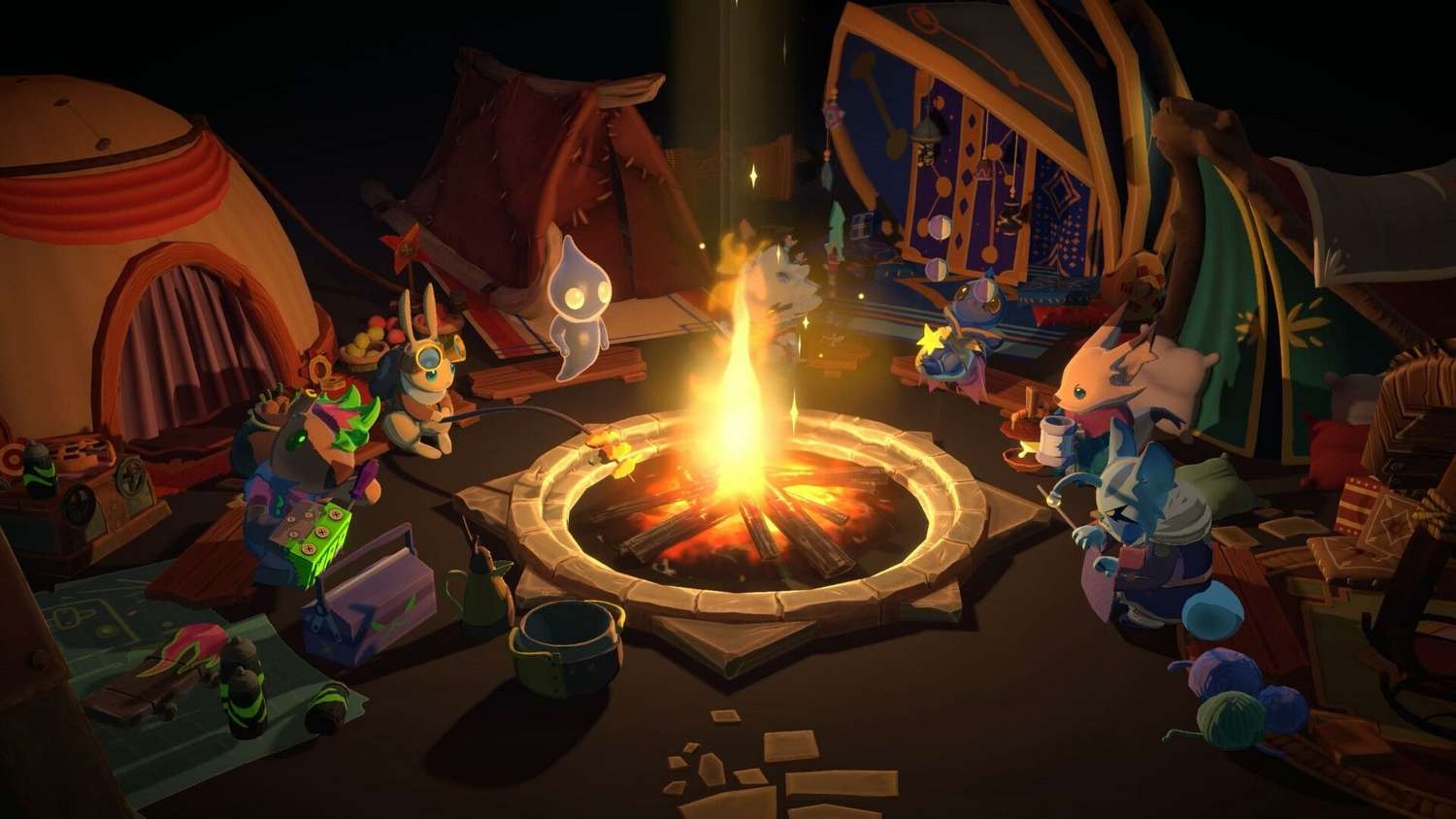
The Lonesome Guild is more than just a game; it is a statement. It’s a testament to the idea that gaming can be a powerful vehicle for positive social interaction, fostering genuine connections in a digital space. By meticulously designing every facet of its gameplay around the power of friendship, Solara Studios has not only delivered a compelling and enjoyable experience but has also set a new benchmark for cooperative gaming. For players seeking an adventure where shared laughter, mutual support, and lasting bonds are as critical as combat prowess, The Lonesome Guild offers an unparalleled and deeply rewarding journey into the heart of virtual companionship. This groundbreaking title is poised to leave a lasting legacy, proving that even in a digital world, the strongest connections are forged through shared experiences and the unwavering power of friendship.