
Strange Horticulture 2: Unearthing Ancient Mysteries and Botanical Bounties in a Masterful Puzzle Sequel








Popular Now
 God of War Ragnarök
 Free Fire Max
 Grand Theft Auto V
 FIFA 23
 EA SPORT FC 25
 Black Myth: Wukong
 Sonic the Hedgehog™ Classic
 Brawl Stars
 Roblox
 R.E.P.O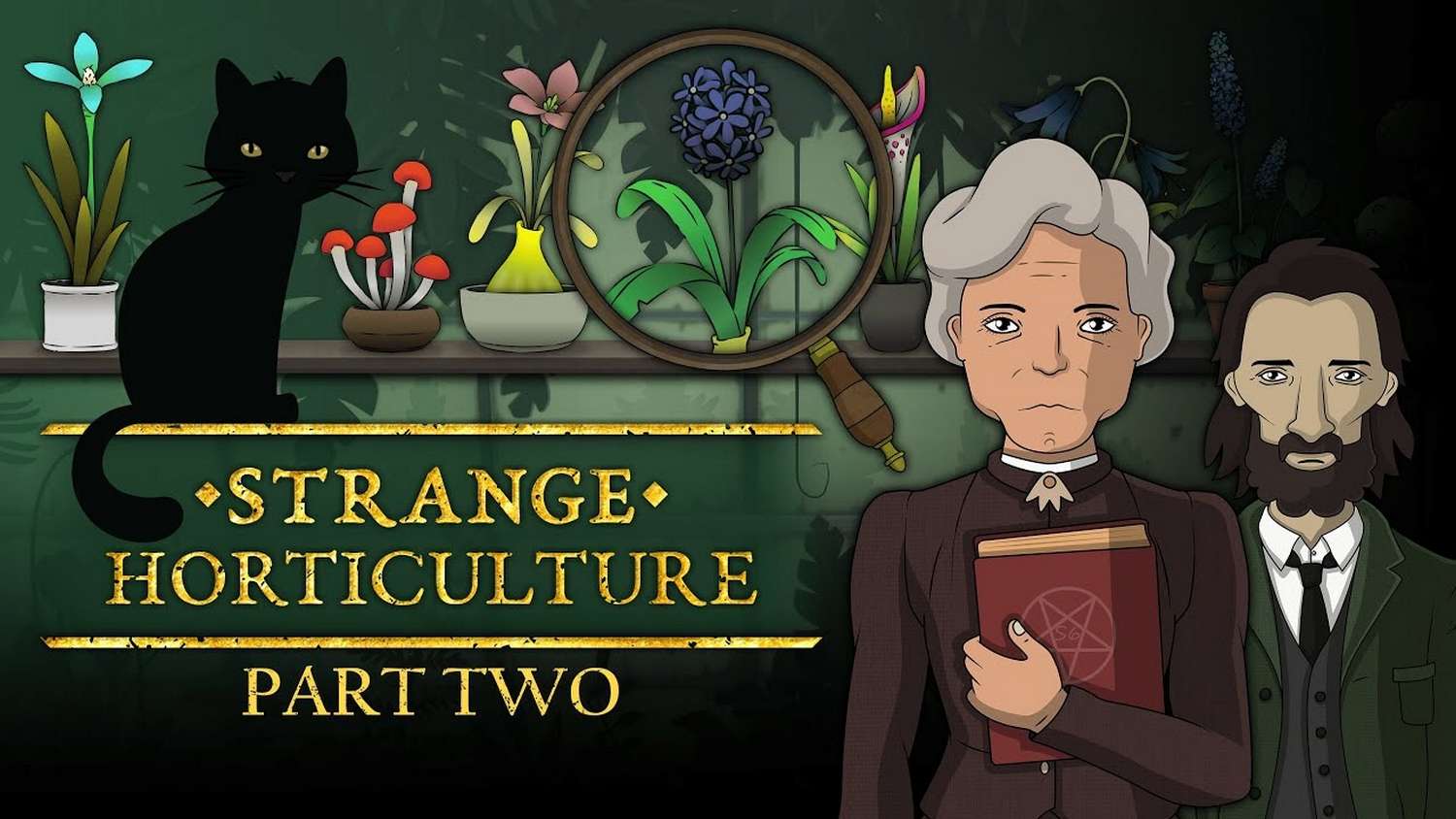
The Enigmatic Return: Strange Horticulture’s Sequel Elevates Occult Puzzles
The original Strange Horticulture captivated players with its unique blend of botanical identification, dark mystery, and atmospheric storytelling. It was an unexpected triumph in the realm of indie puzzle games, offering a serene yet unsettling journey into the heart of Undermere’s hidden occult societies. Now, with the highly anticipated sequel, the franchise embarks on an even more ambitious venture, transforming the quiet study of flora into a thrilling expedition through ancient history and forgotten relics. This follow-up promises to turn antiquing into a new form of puzzle gold, deepening the lore and expanding the scope of its deductive gameplay.
Fans of the predecessor’s cerebral challenges and eerie charm will find much to adore as the successor ingeniously pivots its core mechanics. While the identification of peculiar plants remains a foundational element, the addition of a comprehensive antiquarian system introduces layers of complexity and intrigue that are both fresh and profoundly satisfying. This isn’t merely a rehash; it’s an evolution, meticulously crafted to enhance the immersive experience and offer an entirely new dimension of strategic thinking for dedicated mystery adventure game enthusiasts.
Antiquing as a Puzzle Mechanism: A Deeper Dive into Deduction
At the heart of the sequel’s innovation lies its brilliant integration of antique collection and research. Players are no longer solely confined to the verdant confines of their botanical shop; they are now tasked with sourcing, identifying, and often restoring ancient artifacts. Each antiquity comes with its own enigmatic history, requiring players to consult a newly expanded library of lore, historical texts, and cryptographic clues. This mechanic isn’t just cosmetic; it’s intrinsic to solving the larger narrative puzzles and unraveling the sinister threads that bind Undermere to its arcane past.
High-CPC keywords like “immersive gaming experience” and “strategy puzzle” genuinely apply here. The process of identifying an antique often involves multi-step deductions: deciphering faded inscriptions, cross-referencing symbols with esoteric texts, and even applying specific botanical reagents to reveal hidden properties. For example, a tarnished silver locket might require a unique fungal cleanser to reveal a crest, which then needs to be matched against historical records of forgotten noble families or secret cults. The intertwining of horticulture and antiquarianism creates a rich tapestry of interwoven challenges, making every discovery feel genuinely earned and significant. This dynamic approach offers considerable replay value and deep engagement for players seeking intellectual stimulation from their PC gaming review choices.
Expanding the Occult Ledger: Narrative Richness and World-Building
The sequel delves deeper into the chilling lore established by the original, pushing the boundaries of its supernatural narrative. The discovery of specific antiques often triggers visions, reveals long-lost letters, or unlocks access to previously inaccessible areas of the game world. These revelations aren’t just narrative flavor; they are crucial components of the overarching mystery, providing context for the strange events unfolding around Undermere.
The writing maintains the first game’s signature blend of subtle dread and academic curiosity. Characters encountered are often as cryptic as the artifacts themselves, offering tantalizing snippets of information that require careful interpretation. The atmosphere, a hallmark of the franchise, is intensified. The dark, hand-drawn art style is perfectly suited to conveying the age and mystery of the antiques, while the ambient soundtrack takes on a more melancholic, almost mournful tone as players uncover the often tragic stories behind their discoveries. This commitment to atmosphere ensures that players are not just solving puzzles but truly inhabiting a world steeped in ancient secrets and forgotten horrors.
Refined Gameplay Mechanics and Player Agency
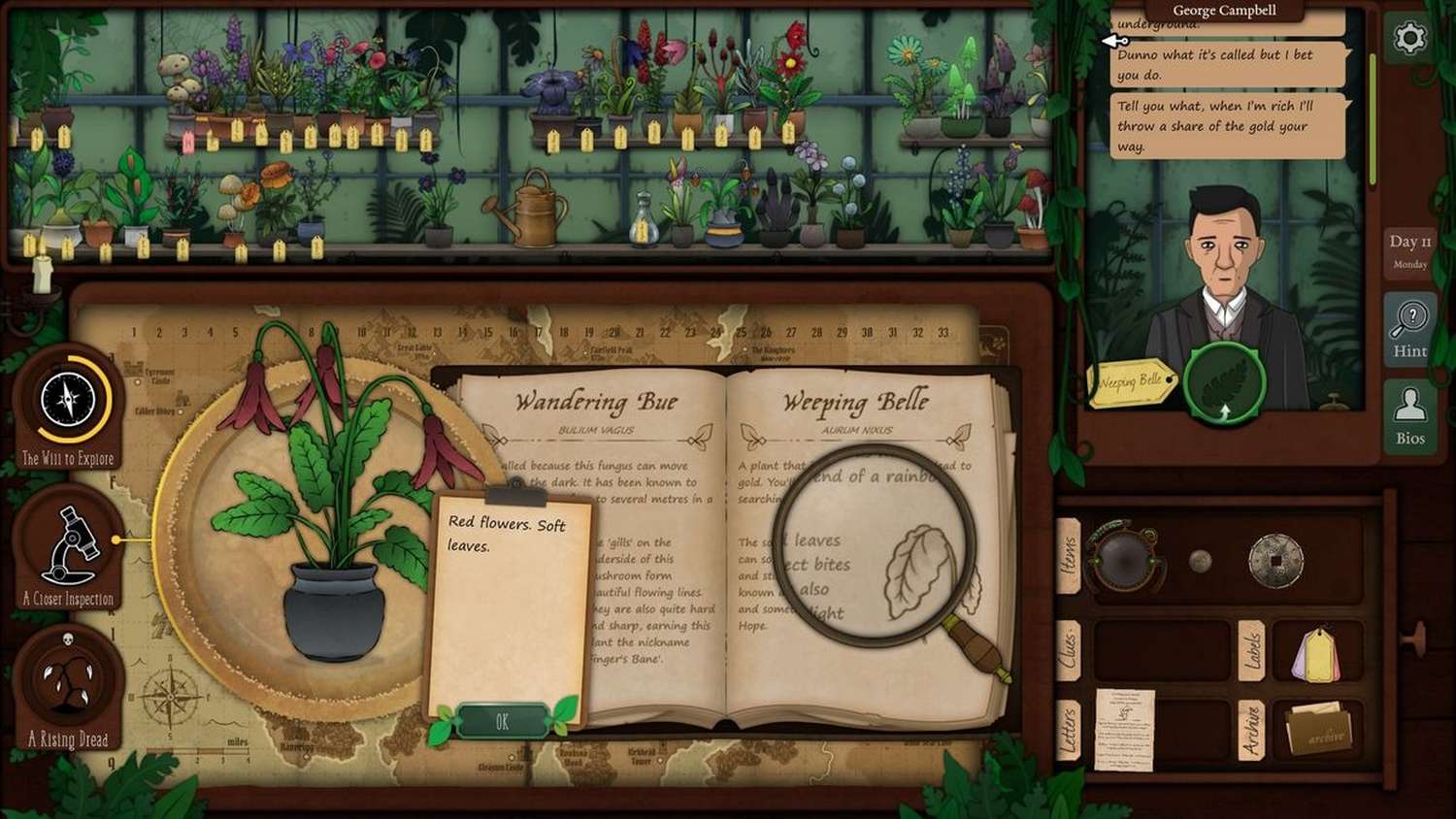
The user interface, while familiar, has received subtle yet impactful refinements to accommodate the new antique mechanics. Inventory management is streamlined, and a more robust research journal allows players to meticulously track clues, theories, and identified items. This focus on player agency is critical; the game trusts players to connect the dots, offering minimal hand-holding and rewarding diligent observation and logical deduction.
- Expanded Research Tools: Beyond the initial botanical tome, players gain access to historical atlases, genealogical charts, and arcane bestiaries, each crucial for deciphering antique origins.
- Interactive Artifacts: Many antiques aren’t just items; they are puzzles in themselves, requiring manipulation, assembly, or the application of specific knowledge to unlock their secrets.
- Consequential Choices: The narrative branches based on how players identify certain artifacts or choose to dispose of them, impacting alliances and uncovering different facets of the main mystery.
- Dynamic Environmental Puzzles: The wider game world features environmental puzzles tied to antique locations, further integrating the new gameplay loop.
These enhancements ensure that the sequel is not merely a repetition of past successes but a significant leap forward in game innovation. It intelligently builds upon its foundations, offering enhanced gameplay and greater depth without sacrificing the accessible charm that drew players in initially. This makes it a strong contender for the