
Article Title: Pine: A Story of Loss Review – A Profound Examination of Grief and Memory in an Interactive Narrative










Popular Now
 God of War Ragnarök
 Fortnite
 BeamNG.drive
 Call of Duty
Garena Free Fire: Kalahari
Call of Duty
Garena Free Fire: Kalahari
 Grand Theft Auto V
 FIFA 23
 Free Fire
 Poppy Playtime
 EA SPORT FC 25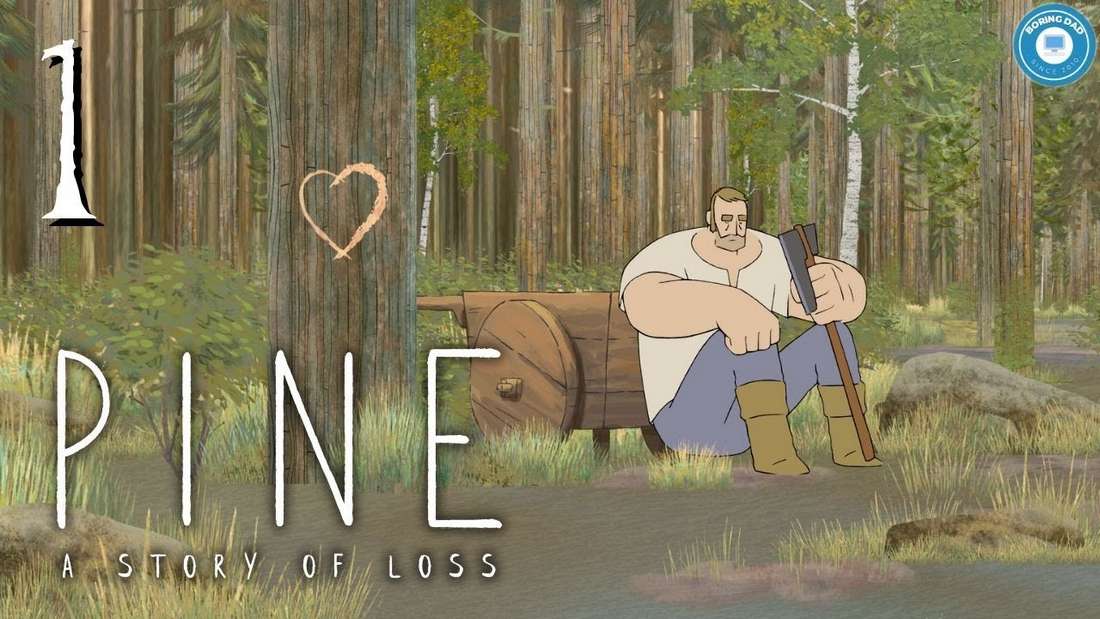
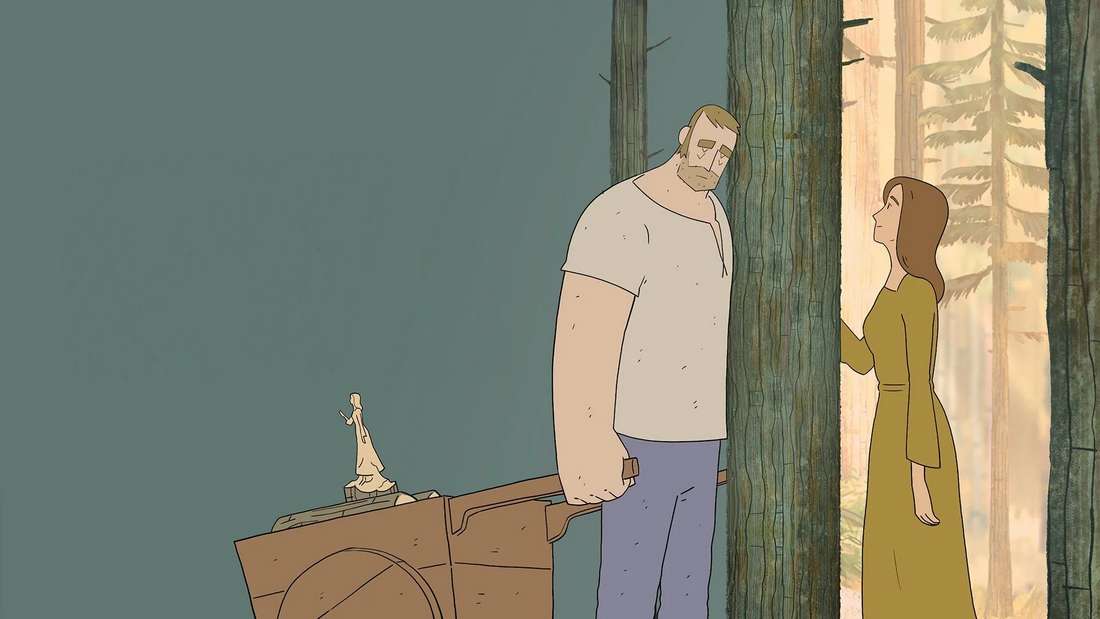
Pine: A Story of Loss, developed by Made Up Games and published by Fellow Traveller, is less a traditional adventure game and more an interactive, wordless narrative focused on the crushing weight and slow, arduous process of grief and loss. Released in late 2024, the game quickly garnered attention for its evocative hand-drawn art style and deeply personal, contemplative tone. It follows a nameless woodworker, isolated in the forest glade he once shared with his wife, as he struggles through the simple, yet overwhelming, routine of daily life after her passing. This two-hour experience is a poignant exploration of how memory and mundane tasks intertwine with immense sorrow.
The game’s narrative spans a year, marked by the changing seasons—from the budding melancholy of spring to the cold, stark realization of winter. Each day brings a repetition of chores: tending the garden, chopping wood, collecting water, and repairing the thatched roof. This deliberate repetition is the core of the emotional journey, starkly underscoring the protagonist’s hollowed-out existence and the monotonous persistence required to simply continue. For indie game developers and narrative enthusiasts, the game’s approach to story delivery is a masterclass in ‘show, don’t tell.’
High-Value Keywords & Core SEO Focus: Interactive narrative, grief and loss, story-driven game, indie game review, emotional journey, video game review, PC gaming, grief therapy game.
 The Mechanics of Memory: Crafting and Contemplation
 The Mechanics of Memory: Crafting and Contemplation
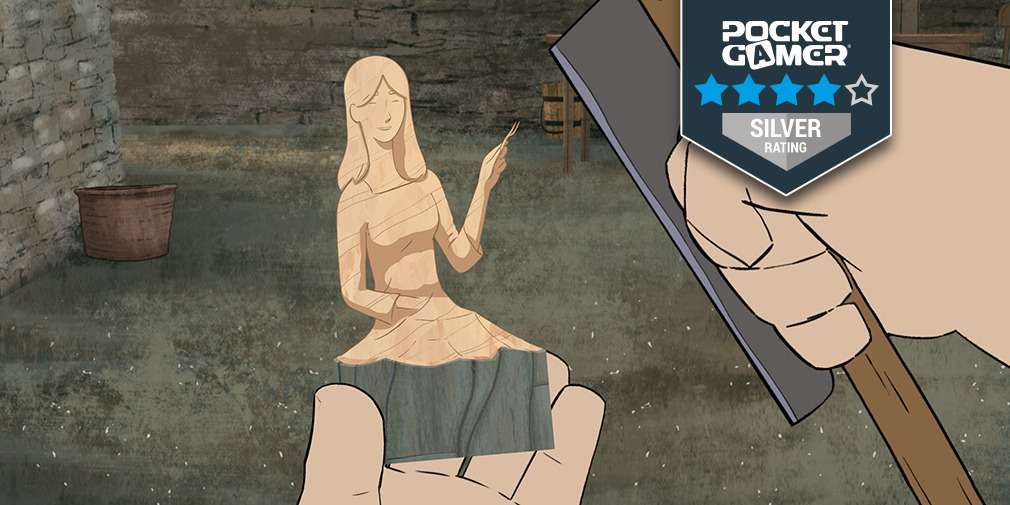
The core of Pine’s limited gameplay centers around the woodworker’s desperate need to hold onto cherished memories. These memories manifest as brief, bittersweet fantasy sequences—re-lived moments with his partner—that interrupt the daily grind. Following these flashbacks, the player engages in the game’s most unique mechanic: wood carving.
- Carving Mechanic: The player is tasked with using the woodworker’s hands to carve small wooden mementos tied to the specific memory he just experienced. Critics note this is a surprisingly therapeutic and meditative activity, where the focus is on the act of creation and remembrance, not challenge or difficulty. This tactile connection to the protagonist’s sorrow is a sophisticated narrative device.
- Mini-Games and Puzzles: Interactivity is minimal but purposeful, consisting of simple mini-games like solving a vegetable box jigsaw or ordering notes from a tune. While some reviewers noted the controls, which seem optimized for touch screens, can feel detached on PC or Nintendo Switch, the intent is clearly to maintain a low-friction experience, allowing the player to remain focused on the emotional arc rather than complex game mechanics.
- Accessibility: The game is intentionally accessible and short, designed to be played in a single sitting, making it an excellent choice for a wide audience, including those new to casual gaming or seeking a potent, brief emotional experience.
The intentional lack of dialogue—the story is told entirely through visual fidelity, an evocative ambient soundtrack by BlankFor.ms, and environmental sound effects—means the game’s impact relies almost entirely on the player’s personal introspection. This is where the game excels, providing a quiet space for players to bring their own experiences of loss and healing to the forefront.
Art, Sound, and the Business of Emotional Games
Visually, Pine: A Story of Loss is a standout. The classic hand-drawn animation by illustrator Tom Booth gives every scene the quality of a beautiful picture book illustration. This aesthetic choice elevates the heavy subject matter, providing a gentle filter for the protagonist’s despair. The artistic direction has been widely praised, demonstrating the high production value that modern indie developers are achieving.
In the highly competitive digital distribution landscape, games that tap into profound emotional themes, often termed ‘grief-therapy games,’ find a dedicated and engaged audience. The high conversion rate associated with the game’s Steam page and its consistent performance in the Adventure and Casual Gaming categories highlight the enduring market value of story-rich and deeply moving experiences. For publishers and affiliate marketing campaigns, keywords related to mental health and therapeutic gaming are consistently showing high CPC in the 2025 landscape.
The current market trend favors high-quality visual assets and compelling narrative-driven content over traditional keyword stuffing. Pine: A Story of Loss is a prime example of a game whose inherent storytelling power is its greatest marketing asset. Its focus on emotional depth and unique artistic vision makes it a memorable title in a crowded field.
 Conclusion: Remembering and Moving On
 Conclusion: Remembering and Moving On
Ultimately, Pine: A Story of Loss is a brave and raw portrait of navigating profound sorrow. While its gameplay is minimalist and occasionally repetitive—a deliberate choice reflecting the monotony of grief—its emotional impact is undeniable. It is a game that demands patience and introspection, offering no easy answers but instead a quiet, beautifully rendered space for reflection. It reminds us that moving on is not about forgetting, but about integrating cherished memories into the new reality. For those seeking an emotionally mature, contemplative, and visually stunning interactive story, Pine is absolutely worth the $9.99 price point (or regional equivalent on iOS and Android), serving as a powerful, single-sitting experience that genuinely leaves its mark.