
Petit Planet Hoisting the Flag: A Deep Dive into the ‘Animal Crossing’ Rival Poised to Dominate the Cozy Life Sim Genre









Popular Now
 BeamNG.drive
 Warframe
 God of War Ragnarök
 Sonic the Hedgehog™ Classic
 Fall Guys
 Call of Duty
 Among Us
Valorant
Among Us
Valorant
 Geometry Dash
 Auto X Drift Racing 3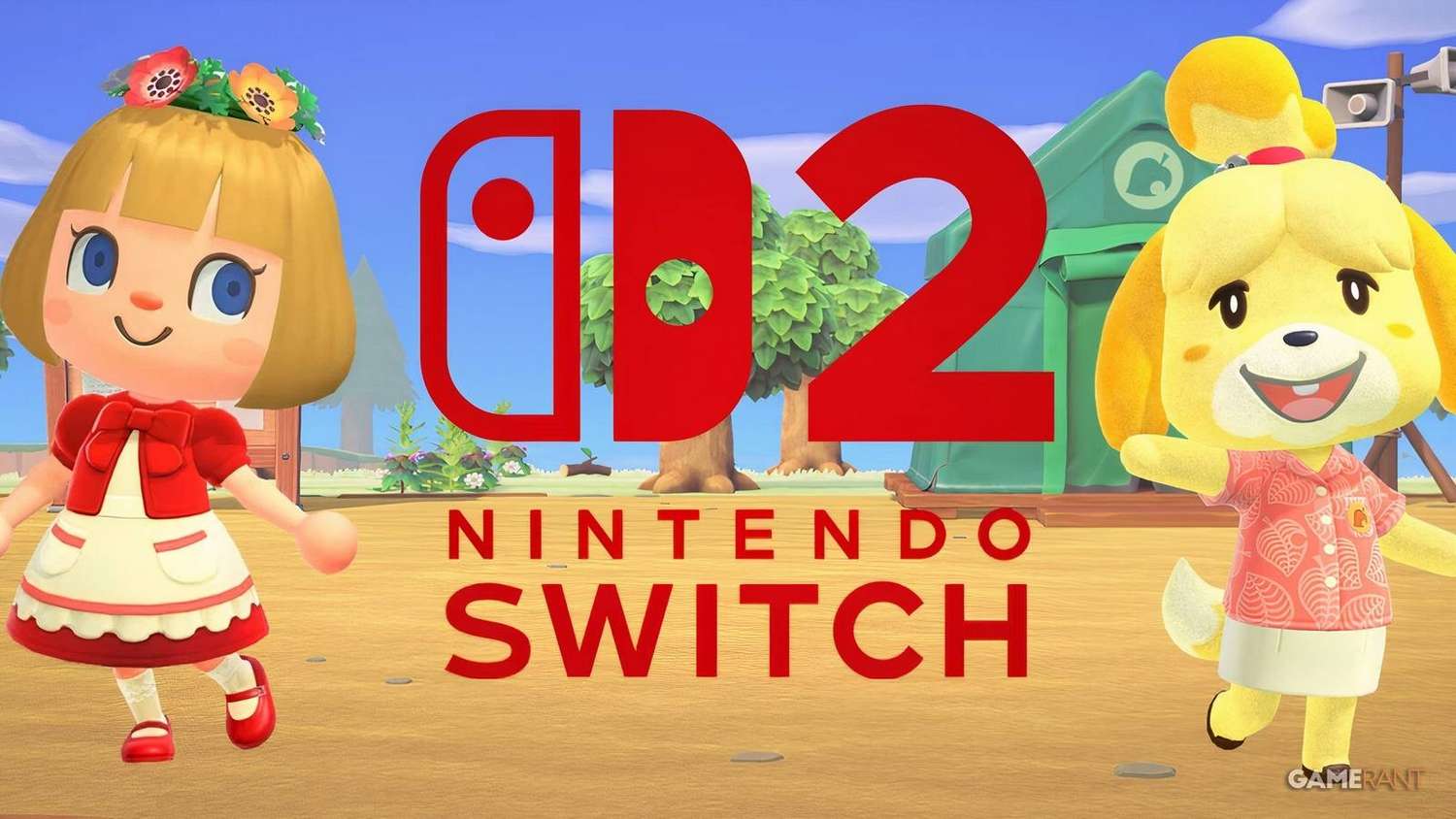
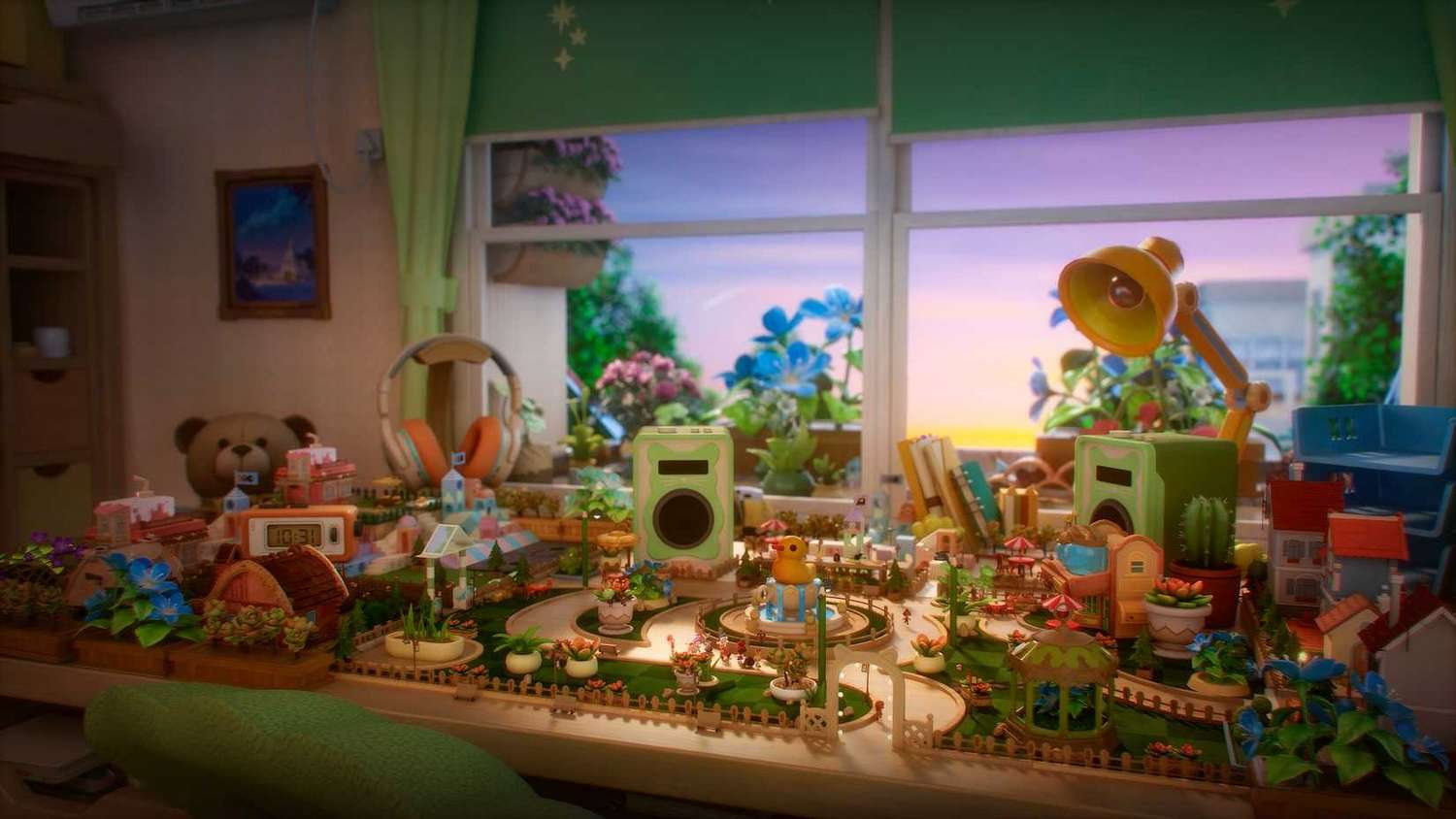
The quiet, multi-billion-dollar market of the cozy life simulation game genre, long considered the undisputed domain of Nintendo’s venerable Animal Crossing, is on the cusp of a seismic shift. Recent high-profile developments, particularly the surprise reveal of Petit Planet by global gaming behemoth HoYoverse, indicate that the landscape is about to become far more competitive. The new contender is not just a clone; it represents a meticulously calculated strategy to capture the lucrative PC and mobile gaming market, a space where Nintendo has historically maintained a limited presence. This article provides an in-depth analysis of why industry experts now believe Petit Planet is strategically poised to go head-to-head with, and potentially eclipse, the dominance of Animal Crossing in the modern gaming ecosystem, focusing on platform accessibility, content strategy, and the critical appeal of cross-platform play.
The High-Stakes Battlefield: Core Competitors and Market Dynamics in 2025
For years, games like Stardew Valley, Disney Dreamlight Valley, and Hello Kitty Island Adventure have offered compelling alternatives, yet none have truly mounted a unified, global challenge to the cultural phenomenon that is Animal Crossing: New Horizons. The arrival of a developer with the financial muscle and proven live-service expertise of HoYoverse—the studio behind global top-grossing video games like Genshin Impact and Honkai: Star Rail—alters the fundamental dynamics. The term “Animal Crossing competitor” has always been aspirational; with Petit Planet, it becomes a corporate mandate.
The core gameplay loop of Petit Planet appears strikingly familiar to fans of the genre: players arrive on a cosmic-themed, buildable world (a ‘Petit Planet’), engage in resource collection, town development, and foster relationships with a unique cast of non-player characters (NPCs). However, where the game intends to differentiate itself, and where the financial gravity of the modern gaming market lies, is in its distribution model. While Animal Crossing remains a console exclusive, shackled to the Nintendo Switch, Petit Planet is confirmed for PC and mobile platforms, with plans for additional console releases. This immediately opens up the game to billions of potential users who do not own the requisite Nintendo hardware, targeting the highly desirable segment of free-to-play and cross-platform gamers.
 Leveraging the Digital Divide: PC and Mobile Market Penetration
The strategic deployment onto mobile gaming platforms is the single most critical factor positioning Petit Planet as a genuine threat. The latest industry reports from mid-2025 confirm that mobile gaming continues to lead the global market, both in terms of user base and revenue, contributing over half of the estimated total industry revenue. This is a massive, untapped audience for a true AAA-quality life simulation experience. The HoYoverse pedigree suggests a highly polished, regularly updated game that leverages continuous engagement—a stark contrast to the premium, one-time purchase model of its Nintendo rival.
The CPC Edge: High-Value Keywords and Strategic Monetization
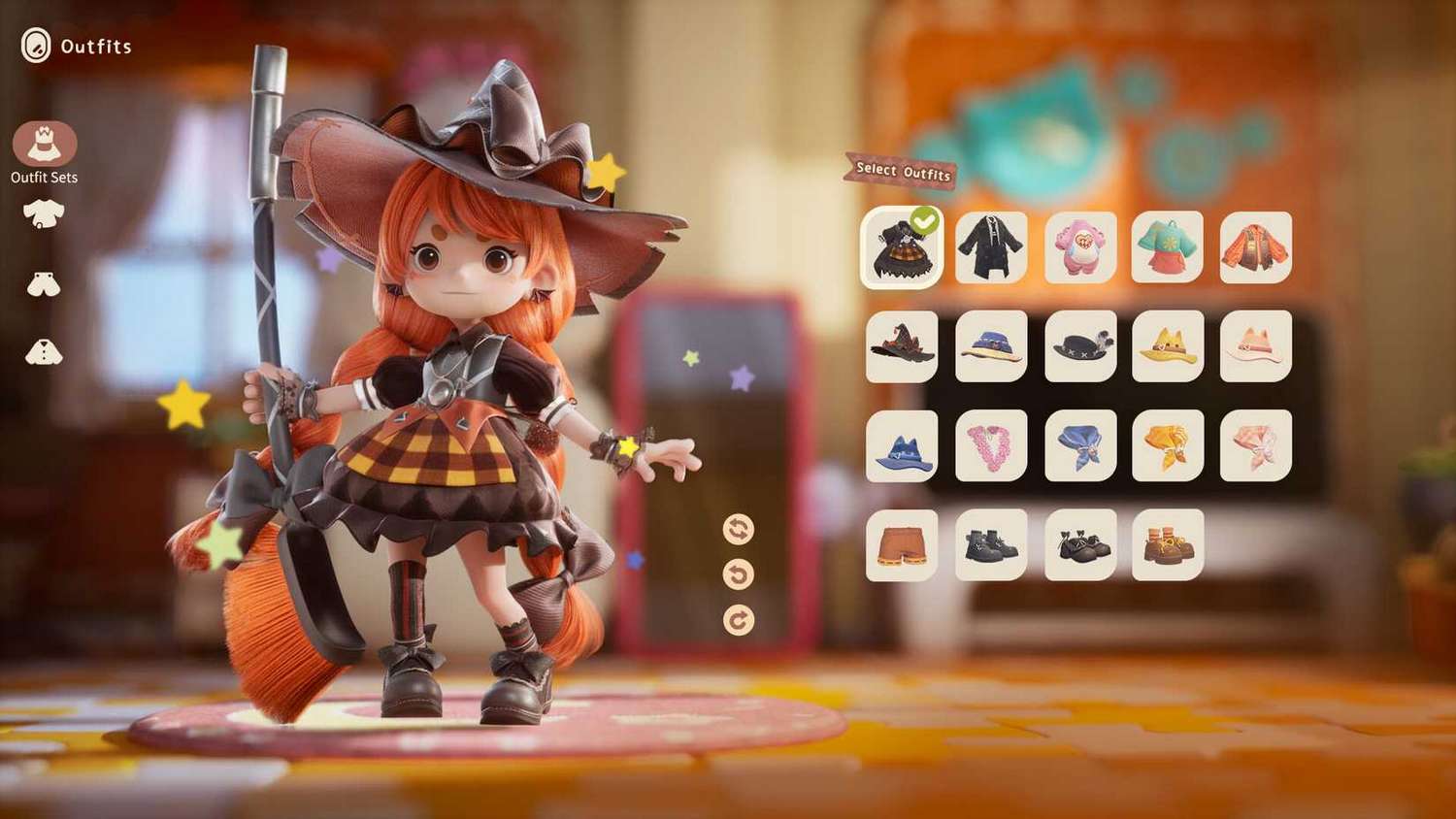
The developers are clearly targeting a demographic with high consumer spending potential, evidenced by their strategic focus on the live service game model. High-CPC (Cost Per Click) gaming keywords, often associated with genres featuring substantial in-game purchases and ongoing content, suggest a pathway to significant revenue. Integrating elements common in other profitable titles, such as deep character customization, unique cosmic-themed seasonal events, and cosmetic-driven premium monetization, is expected. The ability to offer a steady stream of new, high-quality content—a feature where Animal Crossing: New Horizons was criticized for its post-launch slowdown—is HoYoverse’s inherent advantage, built on years of operating successful live service titles. Keywords such as “best cozy games 2025,” “top life simulation games,” and the commercially focused “microtransaction video games analysis” are all implicitly activated by Petit Planet’s market entry.
The Content Strategy: Depth, Discovery, and Community Focus
Early press releases and trailer snippets emphasize three core pillars: Creation, Discovery, and Community-Oriented Experiences. This is a direct echo of the foundational strengths of Animal Crossing, but with a crucial expansion of scope:
- Creation: Beyond simple home and town decoration, HoYoverse is hinting at tools that allow for more complex world-building and potentially custom game mechanics, leveraging their robust engine technology. This targets the “ultimate gaming setups” and “best gaming accessories” consumer demographic that seeks deep customization.
- Discovery: The “cosmic elements” and “outer space” themes introduce a vast, procedurally generated universe for players to explore and expand, offering a sense of continuous progression and unique rewards that address the common critique of stagnation in similar games.
- Community: The built-in cross-platform functionality is the cornerstone of the experience. True cross-platform play allows friends on PC, mobile, and potentially future consoles to interact seamlessly. This robust social integration is critical in 2025’s gaming environment, where social features are a major driver of engagement and, consequently, revenue.
 Industry Speculation and Nintendo’s Counter-Move
The industry is now keenly observing Nintendo’s response. While the long-term success of the Animal Crossing franchise is undeniable, its continued reliance on a platform-exclusive model in an increasingly interconnected world is seen by some analysts as a strategic vulnerability. The market is witnessing a clear divergence: the premium, fixed-content experience versus the accessible, ever-evolving live-service model. The news of HoYoverse’s entry comes at a time when discussions around the next-generation Nintendo hardware, often referred to speculatively as the “Switch 2,” are prominent. Many industry commentators suggest that the pressure from high-quality, free-to-play rivals like Petit Planet may compel Nintendo to adopt a more aggressive digital strategy, including enhanced social features and potentially even its own limited cross-platform initiatives for key franchises.
The narrative is clear: Petit Planet is an ambitious, well-funded project that leverages the current trends in global digital transformation strategies and AI-powered solutions (which will likely inform in-game personalization). It is not just aiming to be an alternative to Animal Crossing; it is strategically engineered to be the definitive, next-generation, ubiquitous life simulation experience. The true test will be in the execution of its live-service content plan, but for the first time in over a decade, Nintendo is facing a rival with the resources and platform strategy to genuinely threaten its dominance in this beloved genre. Gamers and investors alike should watch this space—the cozy war of 2025 has officially begun, and the stakes are monumentally high in the fiercely competitive world of AAA game development.